


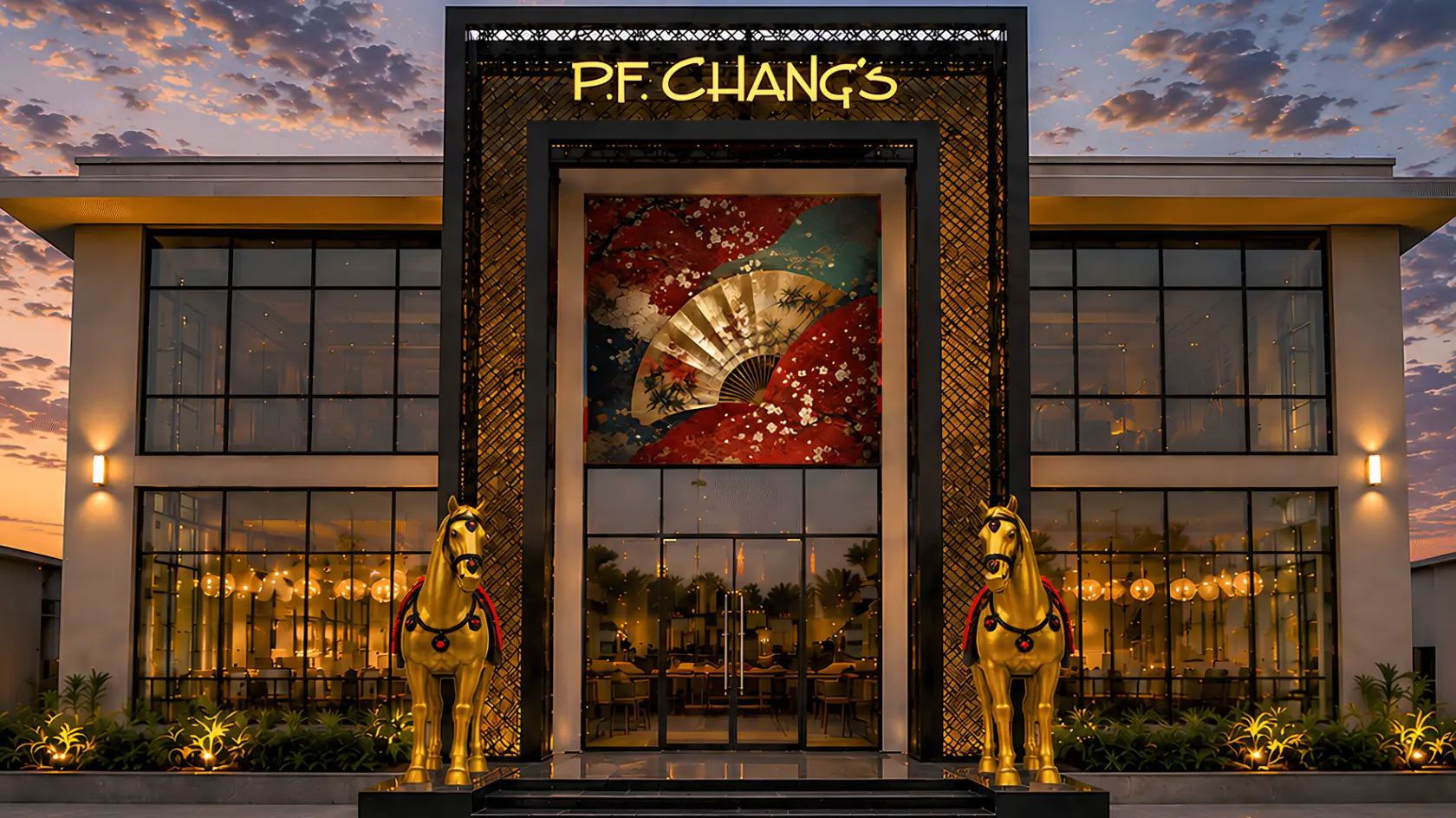
The Dinner Where Nobody Could Hear Each Other
Picture this. You have booked a table for a special occasion. The lighting is lovely, the plating is beautiful, and the chef has clearly spent weeks on the menu. But halfway through the starter you realise you have been nodding politely at a conversation you can barely follow. The marble floor is bouncing every clink of cutlery back at you, the music seems to come from nowhere and everywhere at once, and the waiter has to lean in and repeat the specials twice.
The food was excellent. The evening was not.
This scene plays out in restaurants across Pakistan more often than owners like to admit. Guests rarely say, “the acoustics were poor.” They simply say it felt too loud, too echoey, or that they did not enjoy it much, and they quietly choose another place next time. Sound is the invisible ingredient. When it is right, nobody notices. When it is wrong, everybody feels it.
This is the problem Alpha Alpha was built to solve. We are a Pakistan-based team that combines professional acoustic testing with world-class audio from RCF, the Italian professional audio manufacturer, to deliver a complete premium restaurant sound solution from the first measurement to the final calibration. In this story-driven guide, we walk through why sound matters so much in fine dining and cafe culture, how we approach it, and what we have learned delivering projects such as Loafology Bakery & Cafe in Gulberg III, Loafology at Gold Crest Mall, DHA Phase 4, and P.F. Chang’s at Downtown Lake City, all in Lahore.
What Is a Restaurant Sound Solution?
A restaurant sound solution is a planned combination of acoustic assessment, speaker selection, speaker placement, zoning, amplification, processing and tuning that makes a venue sound comfortable, clear and consistent in every seat. It covers background music, voice announcements, live performance support and noise control, so guests can talk easily, the music supports the mood, and staff can work without shouting.
In short: it is the difference between a restaurant that is simply loud and a restaurant that sounds premium.
Why Sound Is the Hidden Ingredient of Premium Dining
Most restaurant owners spend their budget on interiors, kitchen equipment and branding, and rightly so. But sound shapes how all of those other investments are perceived.
Sound affects how long guests stay. A comfortable acoustic environment encourages guests to relax, order another coffee or dessert and linger. A harsh, noisy room does the opposite. People eat faster and leave sooner.
Sound affects conversation. Dining out is social. If guests have to raise their voices to be heard, they tire quickly and the experience feels stressful rather than special.
Sound affects perceived quality. We tend to judge a venue as more refined when it sounds calm and balanced. Muddy bass, shrill treble and uneven volume send the opposite message, however good the food is.
Sound affects your team. Servers, hosts and kitchen staff work in the same space. A room with uncontrolled noise raises stress and increases order mistakes.
Sound shapes the brand. The playlist, the volume and the clarity of the speakers are part of your identity, just like the menu design and uniforms.
That is why premium restaurants and cafes treat audio as infrastructure, not an afterthought.
The Pakistani Context: Beautiful Rooms, Difficult Acoustics
Pakistan’s restaurant scene has grown fast, especially in Lahore, Karachi and Islamabad. Modern design favours the very materials that make acoustics difficult: polished concrete, glass facades, marble and tile flooring, exposed ceilings, open kitchens and double-height spaces. These look stunning in photographs. Acoustically, they are hard, reflective surfaces that bounce sound around the room.
Then add the local realities:
- Lively family dining. Large tables, children and multi-generational groups create high crowd noise, especially in the evening.
- Mall locations. Restaurants inside shopping centres deal with food-court noise, footfall and neighbouring outlets, and often have shared ceilings and open frontages.
- Open kitchens and live counters. Guests love the theatre, but kitchen noise travels into the dining area.
- Multi-use rooms. A cafe may be quiet at 10 am, buzzing at 1 pm and hosting a birthday gathering at 8 pm. One fixed volume rarely suits all three.
- Outdoor and semi-outdoor seating. Terraces and courtyards need weather-appropriate, directional speakers that do not annoy neighbours.
These conditions are exactly why a one-size-fits-all approach, such as hanging a few ceiling speakers and plugging in a basic amplifier, so often disappoints. Every venue needs to be measured, designed and tuned on its own terms.
Step One: Acoustic Testing, Because You Cannot Fix What You Have Not Measured
At Alpha Alpha, no design begins with a product catalogue. It begins with acoustic testing.
Before proposing any equipment, our team studies the space: its dimensions, materials, ceiling height, glazing, seating layout, kitchen position and the way sound behaves inside it. Depending on the stage of the project, this can include:
- Reverberation assessment. How long does sound linger in the room? Long reverberation makes speech muddy and conversation tiring.
- Ambient noise measurement. What is the background level from HVAC, kitchen extraction, traffic or neighbouring units?
- Speech clarity evaluation. Can announcements and staff voices be understood clearly across the room?
- Coverage mapping. Where are the loud spots and dead spots, and how does the level change from table to table?
- Noise-sensitivity zones. Which areas, such as quiet corners, family sections, private rooms or outdoor terraces, need different treatment?
This data tells us whether the room needs acoustic treatment (absorptive panels, ceiling treatments or soft furnishing recommendations), what type of loudspeakers will work best, and how many zones the system should have. It also gives the owner and the designer an objective baseline rather than guesswork.
The result is simple but powerful: we design the sound system around the room, not the room around the sound system.
Step Two: World-Class Equipment with RCF
Once the space is understood, the next question is which tools to use. For premium venues, Alpha Alpha works with RCF, one of the most respected names in professional audio. Founded in Italy in 1949, RCF is known worldwide for loudspeakers, amplifiers and processing used in theatres, concert venues, houses of worship, hospitality and commercial installations.
Why does that matter for a restaurant?
Clarity at low and moderate volume. Restaurants do not need concert levels. They need music that sounds natural and detailed at a comfortable volume, and voices that remain intelligible. Quality loudspeakers do this far better than budget alternatives.
Even coverage. Well-designed installation loudspeakers distribute sound evenly so the table by the door sounds much like the table by the window. Guests are not blasted in one corner and left straining in another.
Reliability. A restaurant runs long hours, often seven days a week. Professional-grade equipment is built for demanding duty cycles.
Scalability. A system can start with the dining floor and later extend to a patio, a private dining room or a stage area without starting from scratch.
Aesthetic fit. Premium interiors are carefully designed. Discreet ceiling, pendant and surface-mount options help the audio disappear visually while doing its job.
Alpha Alpha pairs these products with proper system design, zoning, processing and calibration. That is what turns good hardware into a great result.
Three Lahore Stories: Where the Theory Met the Dining Room
Theory is useful, but restaurants are judged in the real world. Here are three Lahore venues where Alpha Alpha has delivered sound solutions.
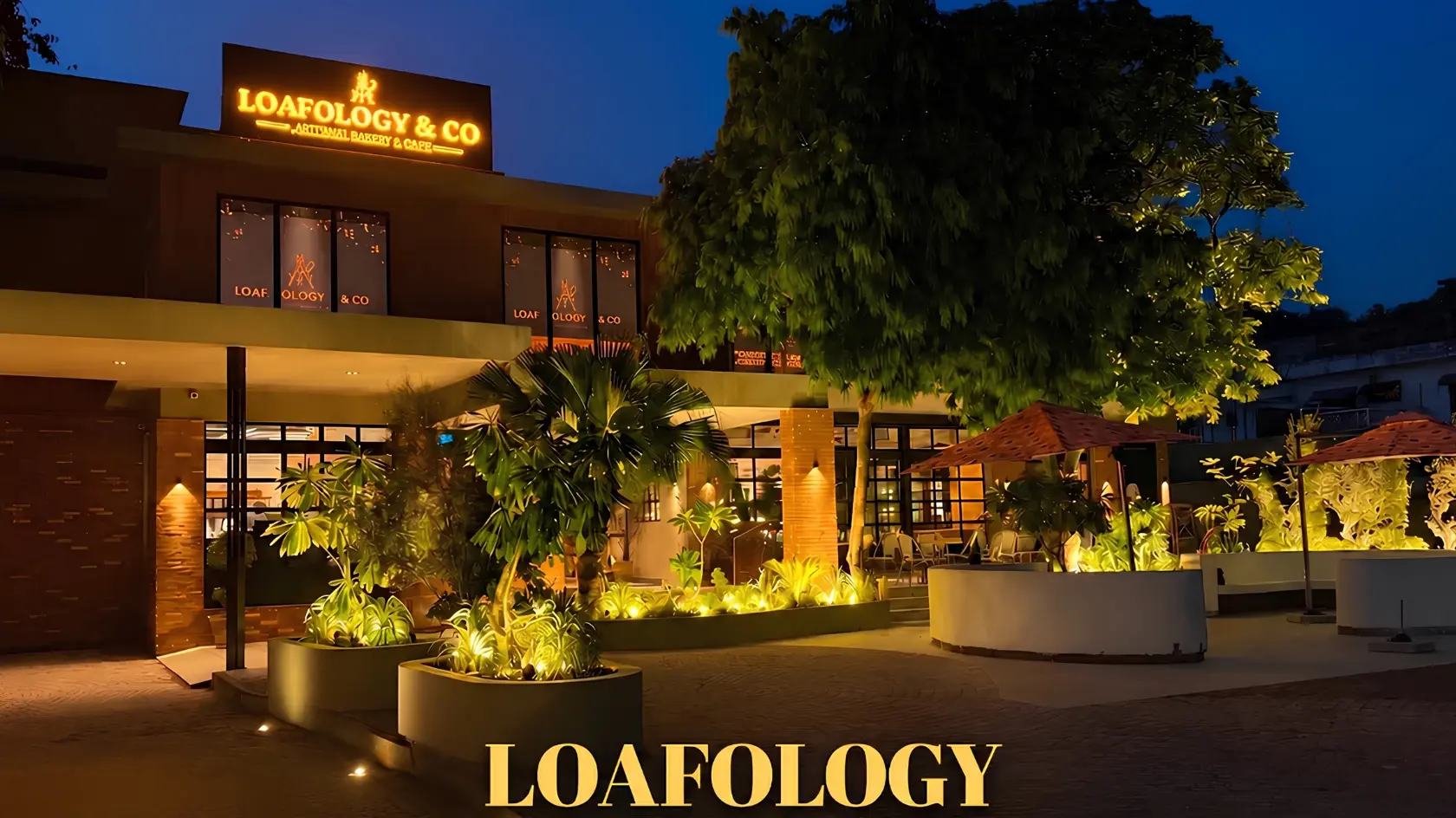
Story 1: Loafology Bakery & Cafe, Gulberg III, the Flagship Experience
If you have spent time around MM Alam Road, you know Gulberg III is where Lahore’s cafe culture shows off. Competition is fierce, standards are high and guests have plenty of choice.
The Loafology & Co flagship cafe at 87/B1, 3 Ghalib Road, Block B1, Gulberg III, Lahore (just off MM Alam Road) is a place where people come to meet, work, celebrate and unwind. A cafe like this has a particular acoustic challenge: it must feel warm and energetic without becoming noisy. Morning customers want calm conversation and laptop-friendly comfort. The afternoon crowd brings volume. Evenings bring groups and families.
For a flagship, the audio has to carry the brand. The music should feel like part of the hospitality, not a layer on top of it. Our approach here focused on balanced, even background sound across the seating areas, sensible zoning so different parts of the space could be adjusted to suit the time of day, and a calibrated system that supports conversation rather than competing with it.
The outcome is what good audio design always aims for: guests who do not think about the sound at all. They simply feel comfortable, stay a little longer and associate the space with a good time.
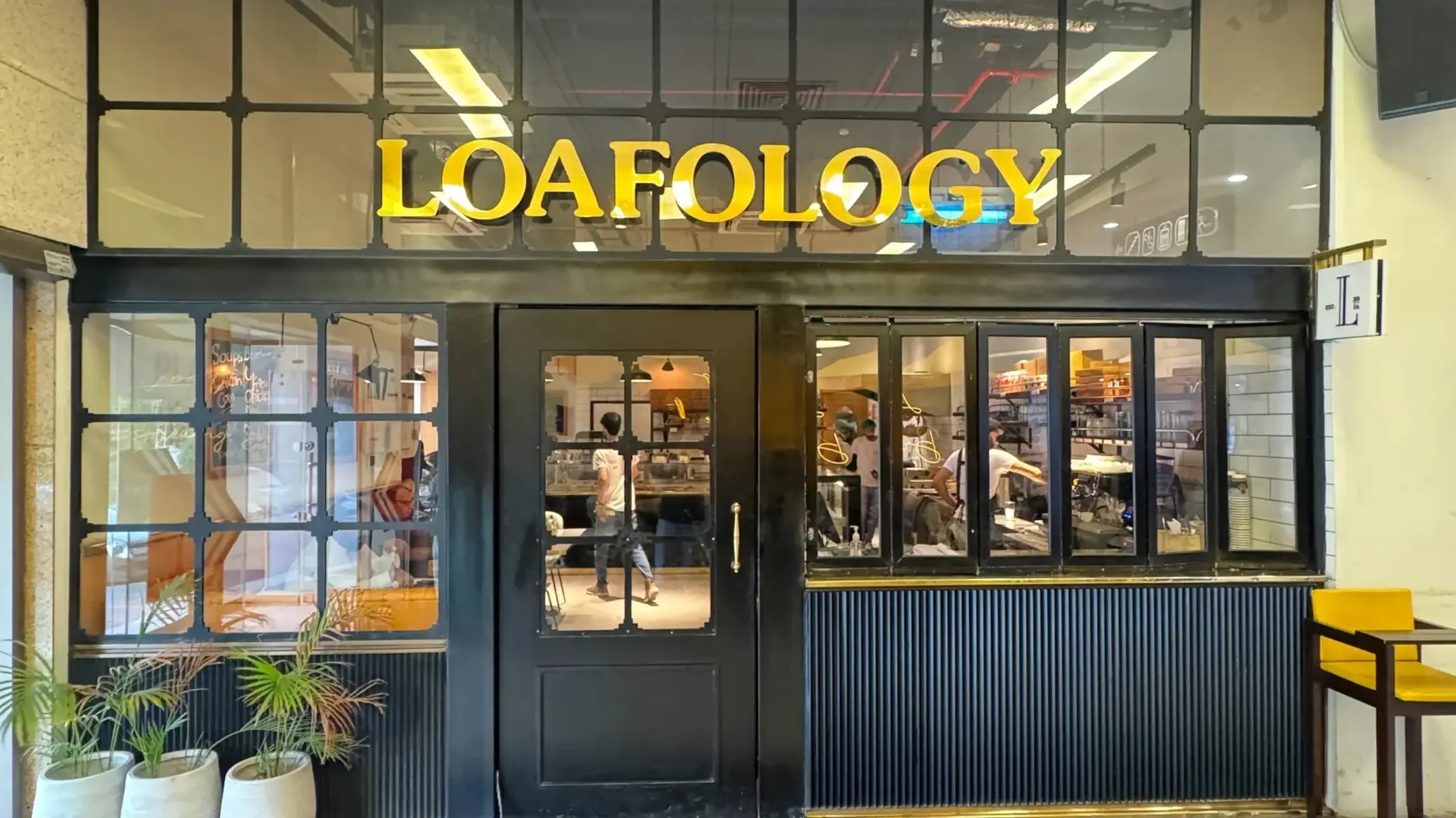
Story 2: Loafology, Gold Crest Mall, DHA Phase 4, Sound in a Mall Environment
A mall location tells a different story. Loafology at Gold Crest Mall, Sector DD, Phase 4, DHA Lahore sits in a busy retail environment with constant movement, shared architecture and ambient noise from beyond the cafe’s own walls.
In a setting like this, a sound system has two jobs. First, it must create a pleasant bubble of atmosphere inside the cafe so that guests feel they have stepped into the Loafology experience, not just another corridor of the mall. Second, it must achieve that without spilling excessive sound into neighbouring spaces or fighting with the surrounding noise.
This is where measurement and speaker selection matter most. Directional loudspeaker placement, careful level control and thoughtful tuning help keep sound where it belongs. Brand consistency matters too. Guests who know the flagship in Gulberg should recognise the same warmth and quality in DHA, even though the room, the footfall and the environment are completely different.
That is the real value of working with a partner who understands both the technical and the hospitality side: the brand experience stays consistent across locations, while the engineering adapts to each one.
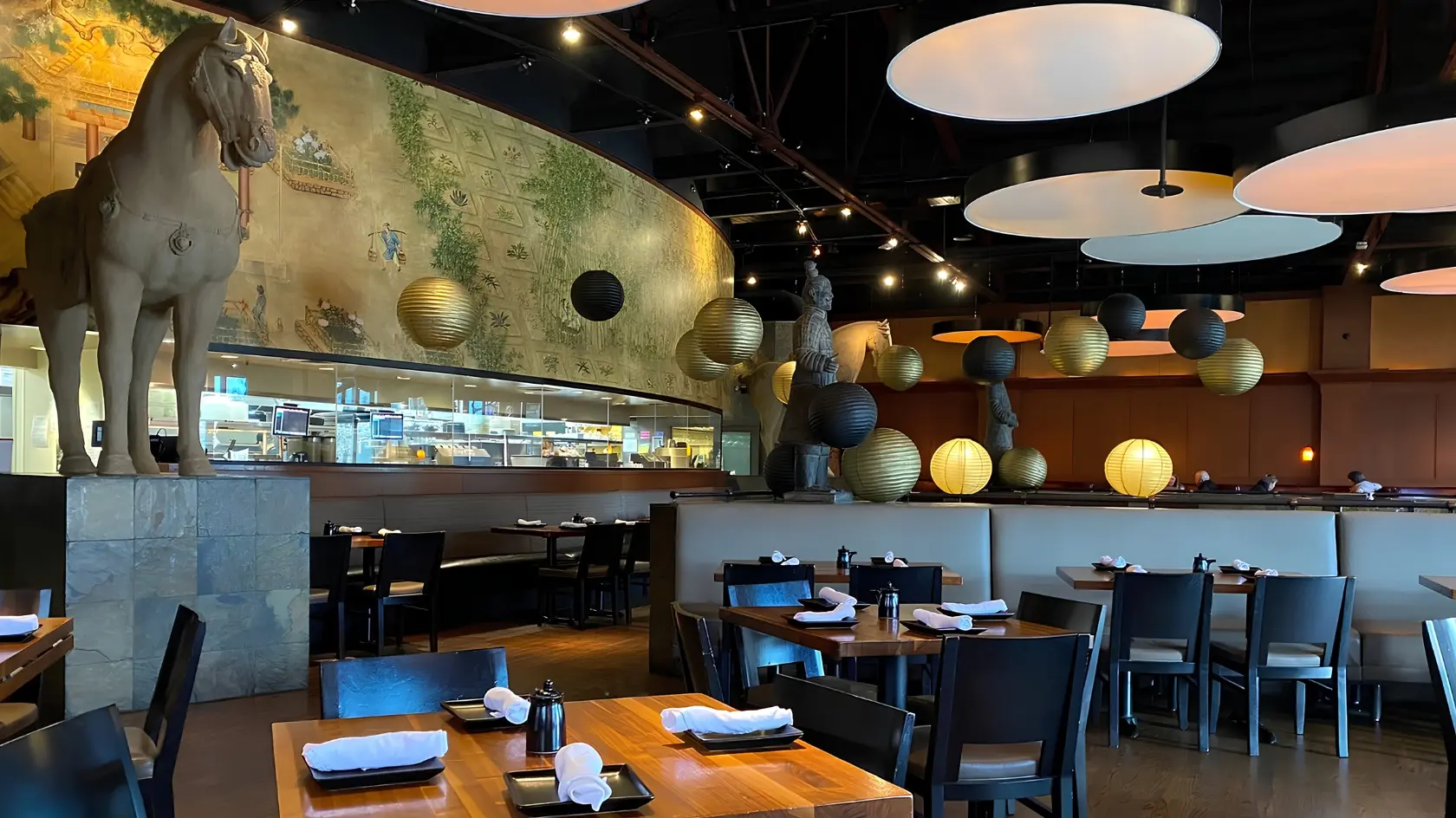
Story 3: P.F. Chang’s, Downtown Lake City, Premium Dining at Scale
When an international name opens in Lahore, expectations are high from day one. P.F. Chang’s brought its Asian-inspired dining to Downtown Lake City, Lahore, and for a venue of that profile, sound is part of delivering a consistent premium experience.
Larger, premium casual dining rooms present their own challenges. There are multiple seating zones, a bar or open service area, kitchen activity, higher guest counts and periods of heavy occupancy. Music has to feel upscale at a quiet Tuesday lunch and still be comfortable when the room is full on a Saturday night. Staff communication has to work smoothly in the background.
Alpha Alpha’s role was to apply the same discipline: understand the space, design for coverage and clarity, and calibrate the system so the dining room sounds polished at every level of occupancy. The goal was never to make the room louder. It was to make it clearer, more balanced and more comfortable, so the food, the service and the atmosphere do the talking.
What These Three Projects Have in Common
Three very different venues, one consistent approach:
- Measure first. Every space was assessed before equipment was specified.
- Design for the guest, not the spec sheet. The aim is comfort and clarity, not maximum volume.
- Use professional-grade equipment. RCF products give the reliability and sound quality premium venues need.
- Tune on site. Calibration in the finished, furnished room is where good systems become great.
- Think about the brand. Sound should reinforce each restaurant’s personality and standards.
How Alpha Alpha Delivers a Premium Restaurant Sound Solution
Here is what working with us looks like from start to finish.
1. Discovery and Brief
We talk to the owner, the interior designer and, where possible, the operations team. What is the concept? What mood should the music create? Is there live music? How does the room change from morning to night?
2. Site Survey and Acoustic Testing
We visit the site, or review plans for new builds, and carry out the measurements and assessments described above. For new restaurants, early involvement is ideal, because it allows acoustic decisions to be built into materials and ceiling design from the start.
3. Acoustic Recommendations
If the room needs help, we advise on practical, design-friendly treatments that fit the interior concept, because a beautiful restaurant should stay beautiful.
4. System Design
We select suitable RCF loudspeakers, amplification and processing, plan the speaker layout and define the zones: main dining, bar, lounge, outdoor seating, private rooms, entrance and restrooms.
5. Installation Coordination
We coordinate with contractors and electricians so cabling, mounting and finishing are clean and discreet.
6. Calibration and Tuning
This is where the magic happens. We equalise and balance the system in the real space, set sensible volume limits and make sure every zone sounds the way it should.
7. Handover and Support
Staff are shown how to operate the system simply, so volume and source changes are easy and consistent. We stay available for adjustments, seasonal changes and future expansion.
Common Mistakes Restaurants Make with Sound (and How to Avoid Them)
Mistake 1: Buying speakers before understanding the room. The same speaker can sound excellent in one space and harsh in another. Measure first.
Mistake 2: Using home or consumer audio in a commercial space. Consumer equipment is not built for long operating hours, and it rarely provides even coverage in larger rooms.
Mistake 3: One zone for everything. A single volume setting forces a compromise. Zoning lets the bar, dining floor and entrance each have the right level.
Mistake 4: Ignoring ambient noise. If kitchen extraction or air conditioning is loud, simply turning the music up only makes the problem worse.
Mistake 5: Skipping calibration. Installation is not the finish line. A system that is not tuned in the room will never reach its potential.
Mistake 6: Treating sound as the last budget line. When audio is considered late, it is often squeezed into whatever is left. Planning early almost always gives better results and fewer expensive fixes.
A Practical Checklist for Restaurant Owners and Designers
If you are planning a new venue or refreshing an existing one in Lahore, Karachi, Islamabad or anywhere in Pakistan, ask yourself:
- Can guests at the farthest table hold a conversation without raising their voices?
- Does the music sound even from the entrance to the back corner?
- Is there a separate level control for different areas?
- Can staff change playlists and volume easily without affecting sound quality?
- Are the speakers rated for commercial, all-day use?
- Has the room been measured by someone who understands acoustics?
- Does the system match your brand, whether calm and refined, lively and social or somewhere in between?
If the answer to several of these is no, a professional acoustic assessment is a smart first step.
Why Premium Sound Is a Business Decision, Not a Luxury
It is tempting to see audio as a nice-to-have. In reality, it supports the numbers that matter in hospitality:
- Dwell time and spend. Comfortable guests tend to stay longer and order more.
- Reviews and word of mouth. A pleasant atmosphere shows up in how people describe a venue.
- Repeat visits. People return to places where they felt relaxed and could hear their companions.
- Staff retention and efficiency. Calmer working environments are easier on teams.
- Brand consistency across branches. A repeatable audio standard helps multi-outlet brands feel the same wherever the guest walks in.
A well-designed sound system is built to last for years. Spread over that lifetime, the investment is modest compared with its impact on the guest experience.
Beyond Lahore: Sound Solutions for Restaurants Across Pakistan
Though our recent flagship stories come from Lahore, the principles apply nationwide. Karachi’s seafront dining rooms, Islamabad’s hillside terraces, Faisalabad’s growing family restaurants, Rawalpindi’s busy cafes and hotel restaurants in every city all face their own acoustic realities. Climate, construction methods, building codes and local dining habits differ, but the fundamentals do not: measure, design, install, tune.
Whether you run a single boutique cafe, a multi-branch bakery brand, a fine-dining restaurant, a rooftop lounge or an international franchise, Alpha Alpha can scale the solution to fit.
Frequently Asked Questions
What is acoustic testing for restaurants?
Acoustic testing is the measurement and analysis of how sound behaves in a restaurant: reverberation, background noise, speech clarity and coverage. It shows what is causing echo or excessive noise and guides decisions about treatments and audio equipment.
Why do restaurants in Pakistan often feel too loud?
Many modern restaurants use hard, reflective materials such as glass, tile, concrete and marble, and have open kitchens and high ceilings. Without acoustic planning, these surfaces reflect sound and raise perceived noise levels, especially when the room is full.
What audio brand does Alpha Alpha use for premium restaurants?
Alpha Alpha works with RCF, a respected Italian professional audio manufacturer with a long history in installed sound for hospitality, performance and commercial spaces.
Can you design sound for a new restaurant before construction is finished?
Yes, and early involvement is recommended. Working alongside the architect and interior designer lets acoustic decisions be built into ceilings, finishes and layout from the beginning.
Do you only work with large restaurants and malls?
No. We design solutions for boutique cafes, flagship restaurants, mall outlets, rooftop venues, hotels and multi-branch brands. The scope changes; the approach stays the same.
Which Lahore restaurants has Alpha Alpha worked with?
Our Lahore projects include Loafology Bakery & Cafe in Gulberg III, Loafology at Gold Crest Mall in DHA Phase 4 and P.F. Chang’s at Downtown Lake City.
How do I know if my restaurant needs a sound solution?
If guests struggle to hear each other, staff need to shout, music sounds uneven between tables or you have received comments about noise, a professional assessment is worthwhile.
Is a premium restaurant sound system expensive?
Cost depends on the size of the venue, the acoustic conditions, the number of zones and the equipment specified. A site assessment lets us propose a solution that fits your concept and budget.
The Last Course: Let Your Restaurant Sound as Good as It Tastes
Go back to that dinner we started with. Same room, same chef, same menu, but this time the acoustics have been measured, the speakers placed with purpose and the system tuned to the room. Conversation flows. The music sits gently in the background. The waiter’s voice is clear without being raised. Nobody mentions the sound, and everybody remembers the evening.
That is what we aim to deliver for every premium restaurant, cafe and dining brand in Pakistan, from Gulberg to DHA to Lake City and beyond. Great food deserves a great room to enjoy it in.
Planning a new restaurant or upgrading an existing one?
Contact Alpha Alpha for acoustic testing and a tailored RCF sound solution for your venue.
+92 308 4319219 | info@alphaaudio.com.pk | alphaaudio.com.pk
Visit us: Plaza No. 28, Phase 6 DHA, Lahore, Punjab
Audio Quotation
Video Quotation
Automation Quotation