
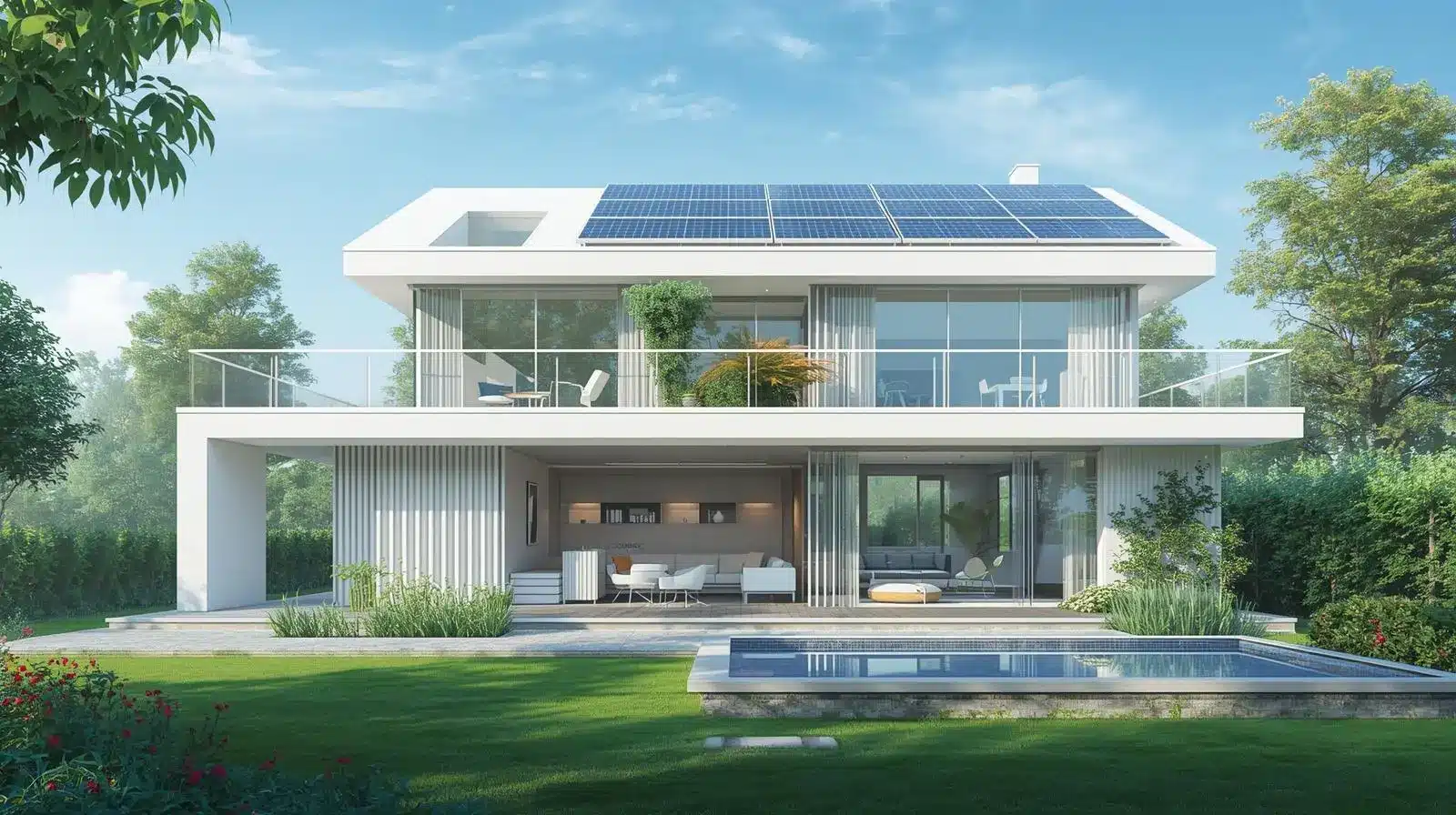
In 2025, the Ahmed family finally decided they had enough.
Enough of rising electricity bills.
Enough of unpredictable power outages.
Enough of manually switching everything on and off, only to forget half of it again.
What started as a simple plan to install solar panels soon became something much bigger, a fully automated smart home powered by solar energy. And by 2026, their home wasn’t just saving energy; it was thinking, optimizing, and working intelligently for them.
This is not just one family’s story. It’s the story of where homes, businesses, and buildings are heading in 2025–2026, the perfect fusion of solar power and smart home automation.
The Energy Reality of 2025–2026 of Pakistan
Across Pakistan and many developing markets, energy challenges are shaping how people design their homes and buildings.
- Rising electricity tariffs
- Load shedding and voltage fluctuations
- Increasing demand for sustainability
- A shift toward self-powered buildings
Solar energy has become a necessity rather than a luxury. But here’s the truth most people realize after installing solar:
Solar without automation is only half the solution.
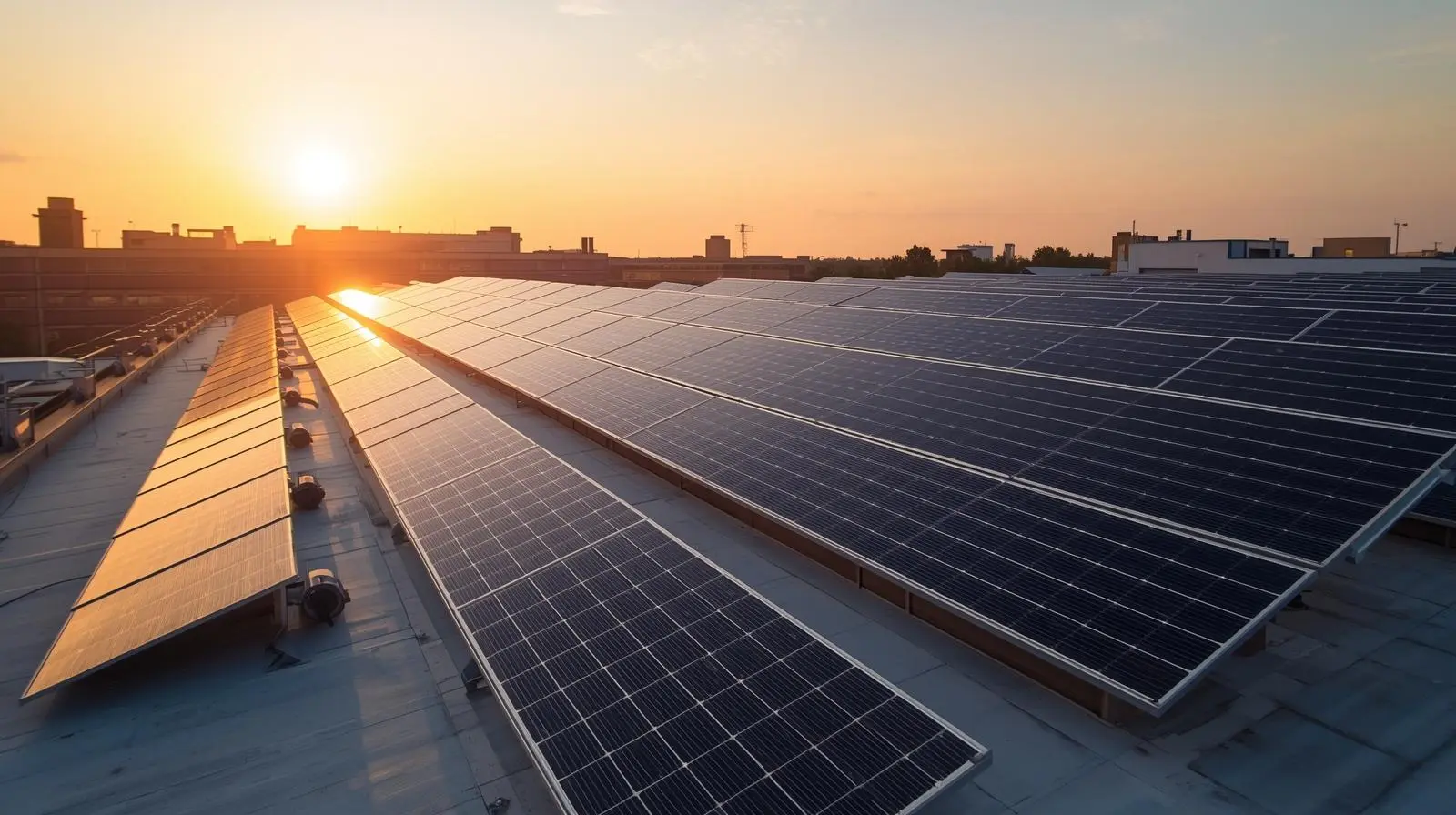
Solar panels generate power.
Smart automation ensures that power is used intelligently.
When Solar Meets Smart Automation:
A New Kind of Home
When the Ahmed family installed solar panels, their installer proudly told them,
“You’ll save a lot on bills.”
He wasn’t wrong, but savings plateaued after a few months.
That’s when they introduced smart home automation.
Lights that turned off automatically when rooms were empty.
Air conditioning that adjusted itself based on temperature and time.
Curtains that closed during peak heat hours to reduce cooling load.
Smart scheduling that prioritized solar usage during the day.
Suddenly, their home wasn’t just solar-powered, it was solar-optimized.
Why Solar + Smart Home Automation Works So Well Together
Smart Energy Usage, Not Just Energy Generation
Solar panels produce maximum energy during daylight hours. Smart automation aligns your home’s behavior with that production.
- Heavy loads run when solar output is high
- Batteries charge intelligently
- Non-essential devices are delayed automatically
This ensures minimum grid dependency and maximum ROI on solar investment.
Automated Load Management
In 2025–2026, smart homes don’t just consume power—they manage it.
Using automation systems like KNX, homes and buildings can:
- Automatically shed non-critical loads
- Balance energy between solar, battery, and grid
- Prevent overloads and system stress
This is especially powerful in commercial buildings, offices, and large residences.
Smarter Cooling = Massive Energy Savings
Cooling consumes the highest energy in Pakistan.
Smart automation changes the game:
- ACs adjust based on occupancy
- Temperature settings change automatically by time of day
- Curtains and blinds reduce heat gain
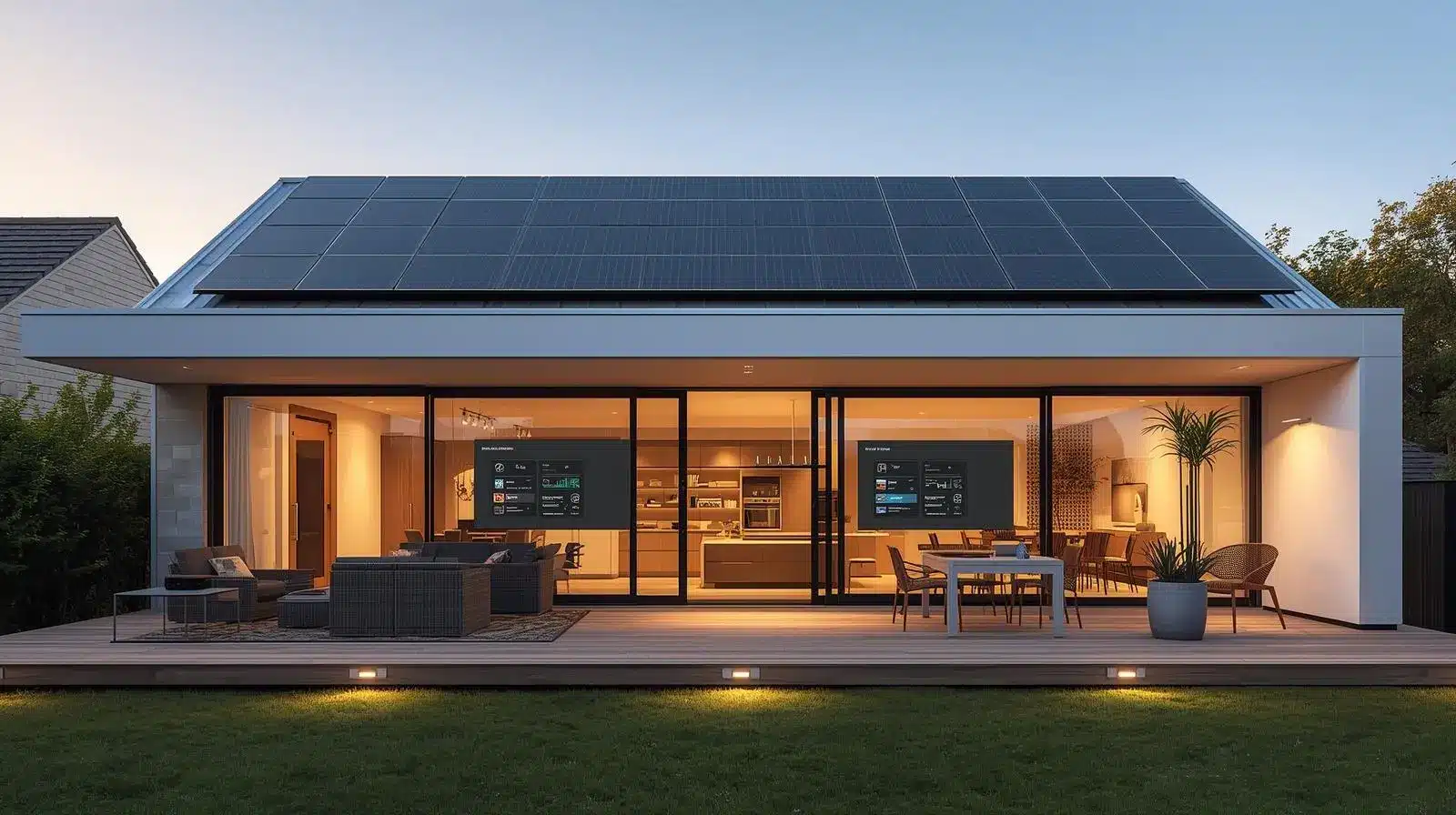
A Day in a Solar Smart Home (2026 Lifestyle)
At 7:00 AM, the blinds open slowly, letting in natural light.
Lights remain off because daylight sensors say they’re not needed.
By 11:00 AM, solar production peaks.
The system automatically:
- Charges the battery
- Runs water heating in winters.
At 2:00 PM, temperatures rise.
Curtains close on the sun-facing side.
Cooling adjusts without anyone touching a switch.
At night, stored solar energy powers essential systems.
Non-essential loads stay off.
No manual effort.
No wasted power.
No stress.
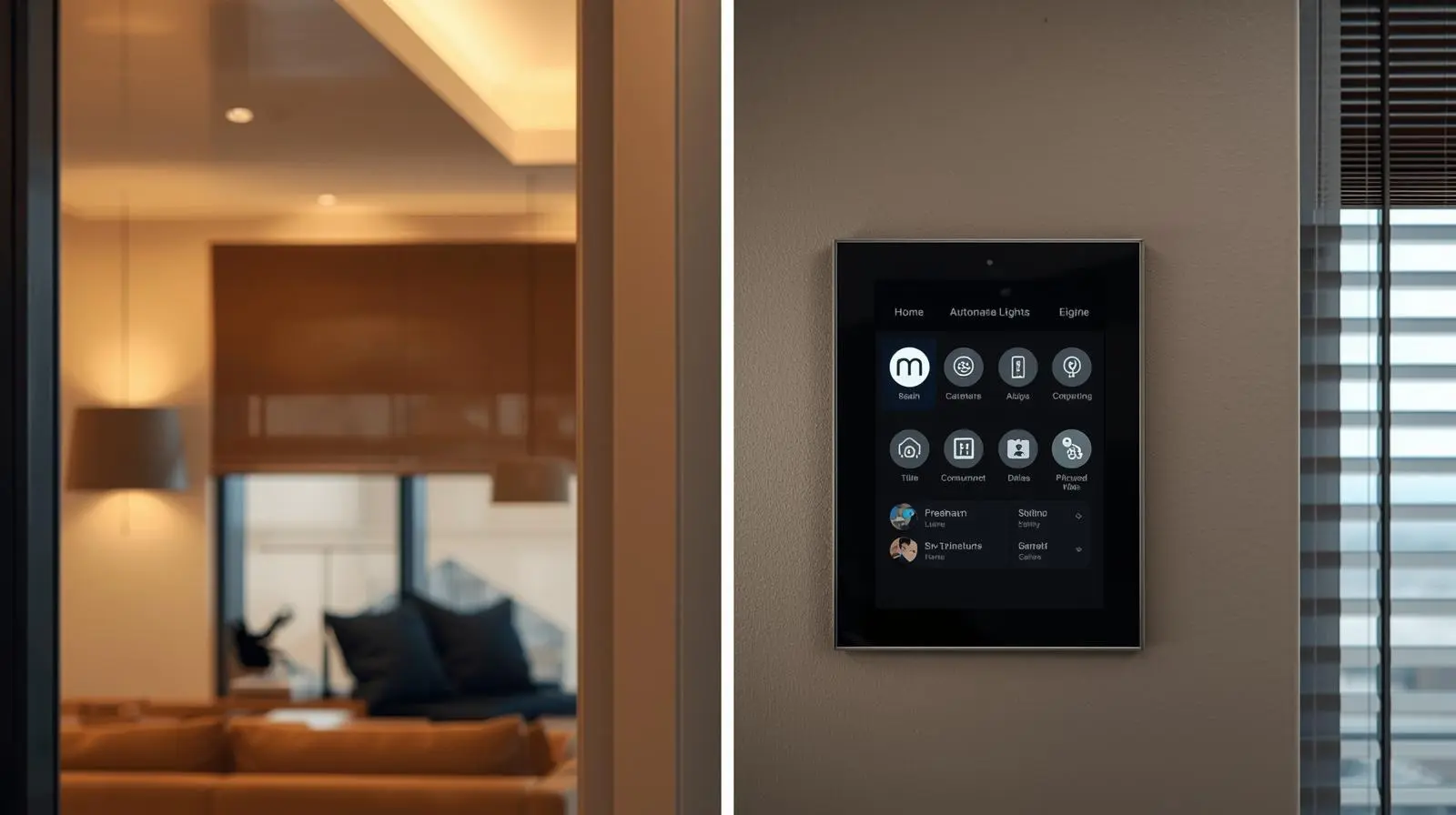
Smart Homes Are No Longer Just for Homes
In 2025–2026, solar + automation is transforming:
Corporate Offices
- Automated lighting and HVAC
- Solar-powered workspaces
- Reduced operational costs
Hotels
- Room-based energy control
- Solar-assisted load balancing
- Lower energy waste without affecting guest comfort
Hospitals & Institutions
- Reliable power management
- Automated energy prioritization
- Reduced dependence on generators
Mosques & Auditoriums
- Scheduled lighting and sound systems
- Solar-powered daytime usage
- Intelligent energy zoning
Why KNX Automation Is Ideal for Solar Integration
KNX is one of the most reliable automation standards globally and a perfect match for solar-powered buildings.
KNX-based systems allow:
- Seamless integration with solar inverters
- Centralized energy monitoring
- Scalable automation (start small, expand later)
- Long-term reliability without vendor lock-in
- This makes KNX ideal for future-ready smart buildings.
The Financial Side: Cost vs Long-Term Value
Yes, combining solar and smart automation costs more upfront.
But in 2025–2026, the math is clear:
- Faster payback period
- Lower electricity bills
- Reduced battery wear
- Increased property value
- Lower maintenance costs
Instead of asking “How much does it cost?”, people now ask:
“How much will I save over 10 years?”
Sustainability Is No Longer Optional
Governments, corporations, and consumers are all moving toward sustainability.
Solar + smart automation:
- Reduces carbon footprint
- Minimizes energy waste
- Supports green building certifications
- Aligns with future energy regulations
A smart solar-powered building is no longer a trend, it’s a responsible choice.
The 2026 Mindset: Homes That Think Ahead
By 2026, the smartest buildings won’t be the ones with the most gadgets.
They’ll be the ones that:
- Use energy wisely
- Adapt automatically
- Reduce human effort
- Remain scalable for the future
Solar provides the power.
Automation provides the intelligence.
Together, they create buildings that don’t just consume energy, they manage it intelligently.
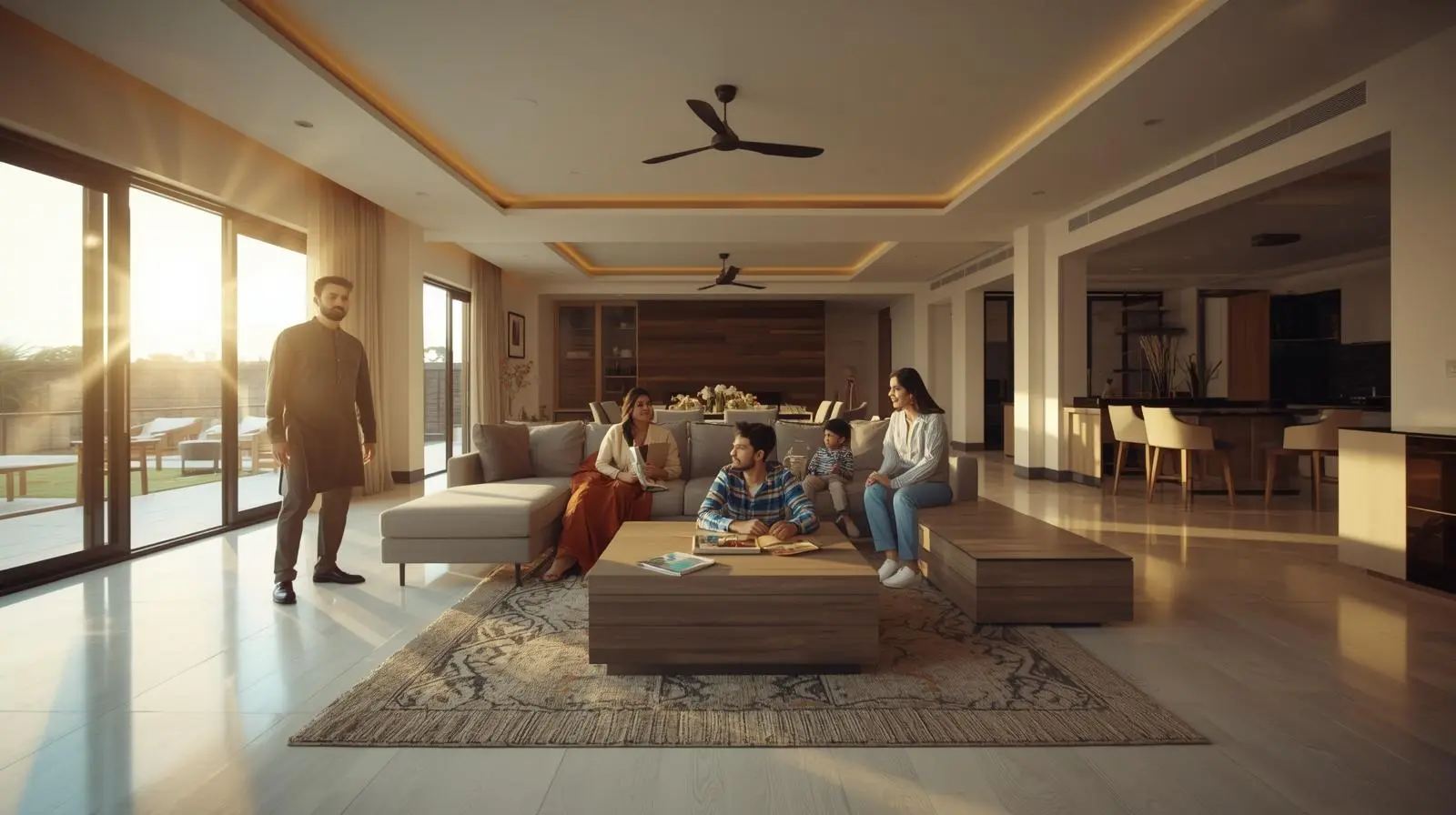
Final Thoughts: The Perfect Combination for the Future
The Ahmed family now smiles when the electricity bill arrives.
Not because it’s zero—but because it makes sense.
Their home works with the sun, not against it.
Their automation adapts, learns, and optimizes.
Their lifestyle is comfortable, efficient, and future-ready.
Solar + Smart Home Automation isn’t the future anymore.
It’s the standard for 2025–2026 and beyond.