


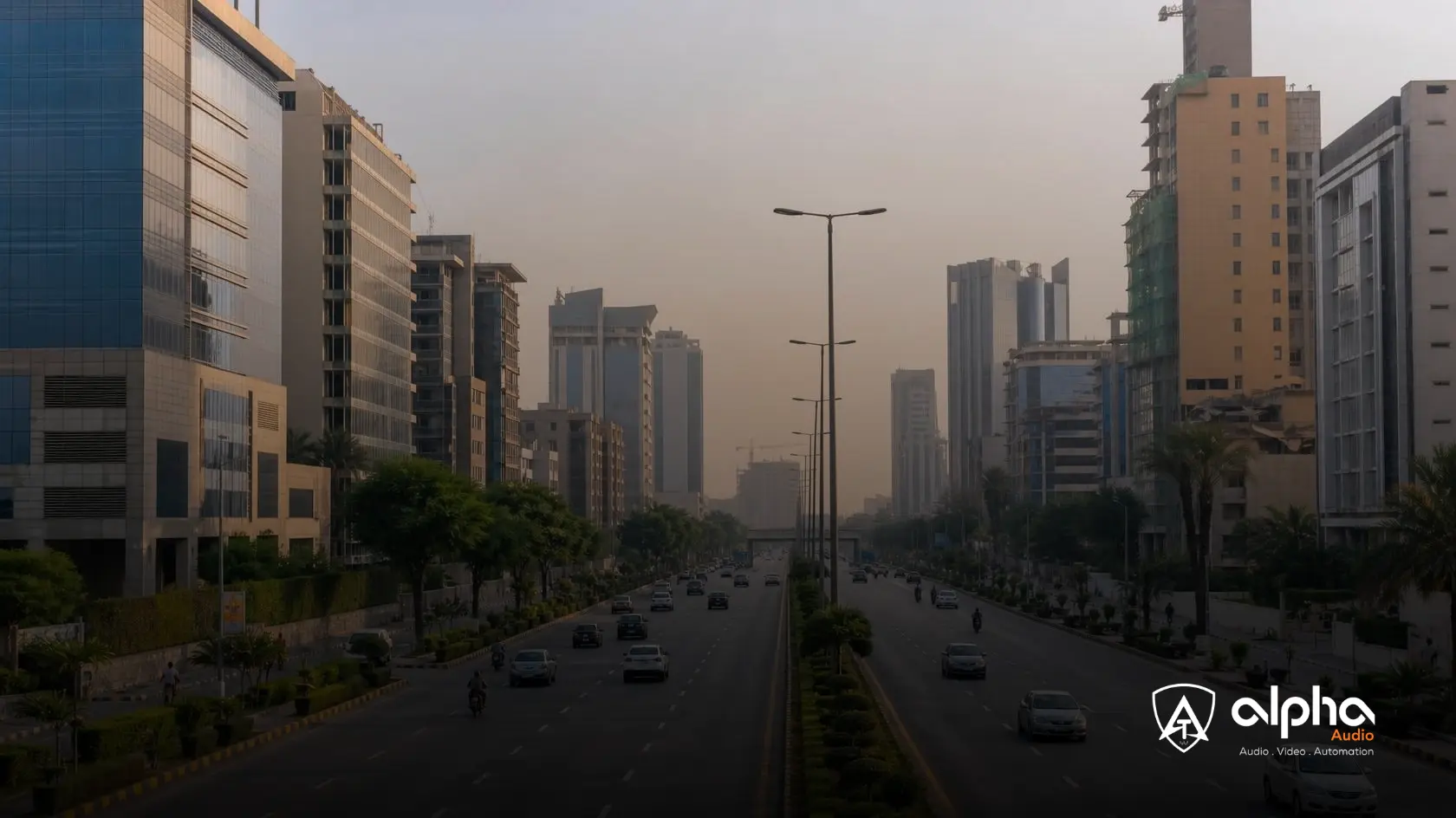
Green certifications aren’t just good PR anymore they’re a leasing requirement
Not long ago, a green certification plaque in the lobby was mostly there to look good. It made for a nice line in the brochure and a good photo for the sustainability report. That’s changed.
Today, in city-centre business districts around the world, big tenants and multinational companies write LEED, BREEAM, or WELL certification straight into their leasing requirements. Property investors check ESG scores before they even look at the numbers. Insurance companies are starting to factor energy performance into their pricing. And in more cities every year, rules that used to be optional are becoming part of the building code.
For developers, this changes what it actually takes to build a competitive office tower in the CBD. A building that can’t show real, measurable environmental performance isn’t just missing an award. It’s getting cut out of the tenant pool that pays the best rent. So the question developers are asking isn’t “should we go green” anymore. It’s “how do we actually hit these targets without blowing the budget?”
The problem: everyone says “go green” but nobody says how
Talk to any developer working on a CBD tower right now, and you’ll hear the same complaint. Everyone agrees sustainability matters. But there’s a lot of noisy, conflicting advice about which systems actually move the needle when it comes to certification scoring.
Solar panels get the headlines. Recycled materials get the press releases. But here’s the thing most developers eventually figure out: the single biggest, most controllable factor in a building’s green performance isn’t a flashy add-on. It’s something much more boring how smartly the building runs itself, day in and day out, floor by floor.
That’s usually where the confusion starts. Should the budget go toward better chillers, or the controls that schedule them? Is smart lighting even worth it if it’s not connected to a wider building system? Does sub-metering and an energy dashboard really count toward certification, or is that just for the facilities team?
Here’s the honest answer: automation lighting control, HVAC scheduling, and energy monitoring isn’t a side item on the green building checklist. In most rating systems, it’s one of the biggest and most achievable categories a project can go after.
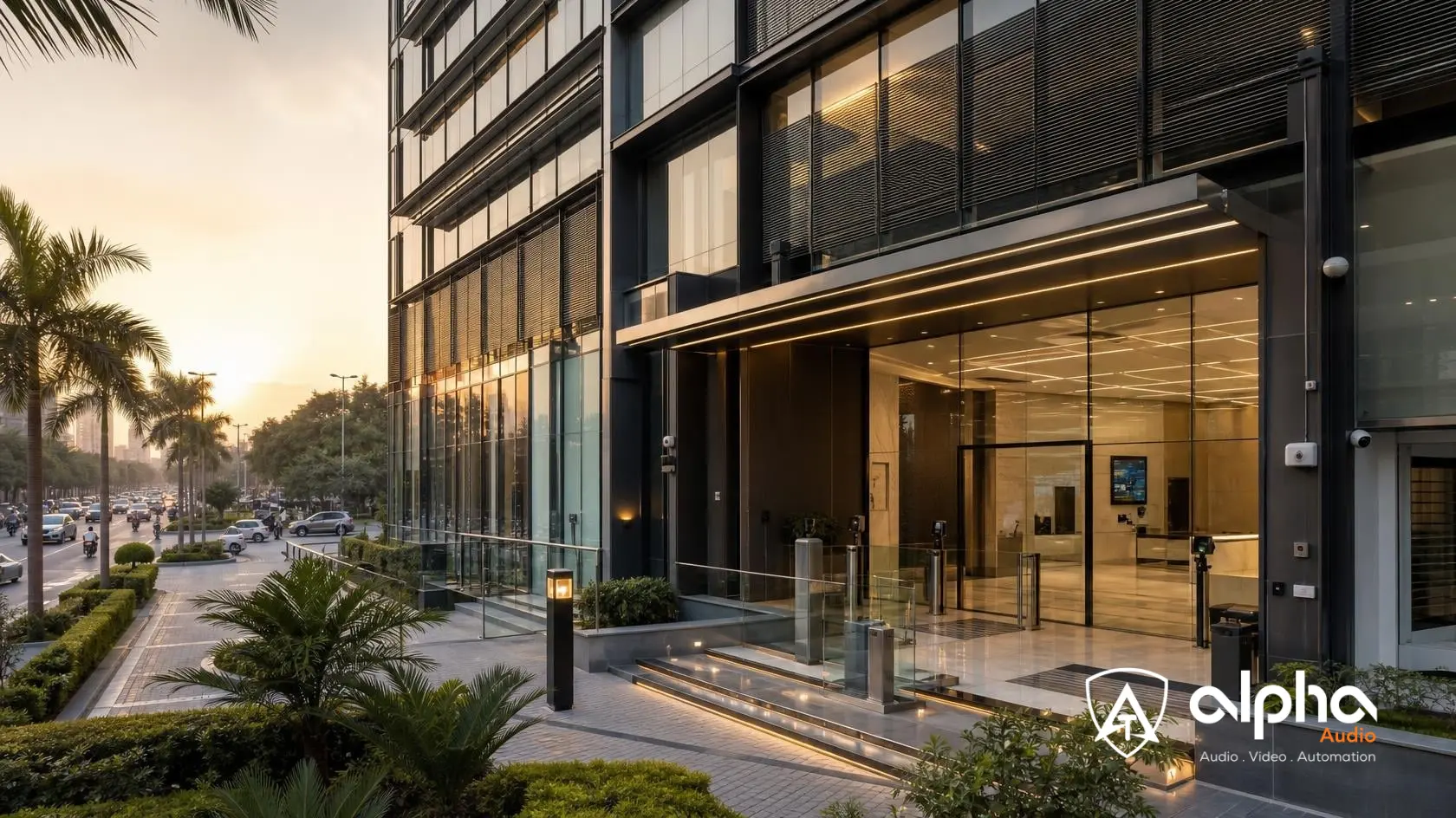
Why automation does so much of the heavy lifting in green scoring
Certification bodies don’t just reward good passive design — insulation, orientation, glazing, that sort of thing. They reward proof. Ongoing, measured, real performance. And you can’t produce that kind of proof without systems that sense what’s happening in the building and adjust automatically. That’s exactly what automation does.
1. Lighting automation: small savings that add up fast
Lighting runs constantly in commercial buildings, and it’s one of the easiest things to waste. Lights left on in an empty meeting room. Corridors lit up at full brightness at 2am. Perimeter offices with the blinds open and the lights on anyway, even though there’s plenty of daylight coming in.
Automated lighting fixes this in a few simple ways:
- Motion and occupancy sensors that turn lights off in empty rooms automatically
- Daylight harvesting, which dims the lights when there’s enough sunlight already
- Scheduled dimming after hours, when the building is mostly empty
- Zone-by-zone control, so one tenant’s floor can be managed without affecting everyone else
Rating systems take this seriously. Under BREEAM’s Energy section which carries some of the heaviest weighting in the whole scheme lighting that automatically switches off during daylight hours earns real energy credits. The logic is simple: if a building’s lighting responds to what’s actually happening around it, instead of running on a flat schedule, it uses a lot less electricity over its lifetime.
2. HVAC scheduling: the biggest energy lever in most CBD towers
Heating, cooling, and ventilation usually eat up the largest chunk of a commercial building’s energy bill often 40% or more in a typical office tower. It’s also where automation makes the biggest, most measurable difference.
A modern building automation system lets HVAC respond to what’s actually going on, instead of running on worst-case guesses:
- Occupancy-based scheduling, so you’re not conditioning empty floors
- CO₂ and air quality sensors, so ventilation matches real demand instead of a fixed minimum
- Temperature and humidity sensing built into the control loop, so the building doesn’t overcool or overheat
- Demand response, where systems automatically cut back non-essential loads when the power grid is under stress
These aren’t just nice ideas they line up directly with how certification credits are awarded. LEED gives credit for CO₂ monitoring systems that feed ventilation data back into the HVAC system, and separately rewards temperature and humidity monitoring that’s tied into HVAC controls to keep people comfortable while adjusting conditions on its own. BREEAM’s Energy 01 credits work on a similar idea, rewarding real, measured cuts in energy use and carbon emissions compared to a standard baseline building something that’s basically impossible to achieve without HVAC that responds automatically to conditions.
3. Energy monitoring: turning automation into proof you can actually submit
Automation only helps your certification application if you can prove it’s working. That’s where energy monitoring and sub-metering come in not as a nice extra, but as the actual evidence a certification body will look at.
Under LEED, building-level energy metering is a required minimum, and owners have to commit to sharing that data with the certifying body for at least five years. Go further with sub-metering, and you unlock more points the Advanced Energy Metering credit needs sub-metering covering at least 10% of the building’s annual energy use, split across categories like HVAC, lighting, plug loads, and equipment. BREEAM works the same way. Its energy assessment leans heavily on verified consumption records and time-series metering this is the point where what a building actually does separates from what it claims to do on paper.
In other words, a building’s energy dashboard isn’t just a handy tool for the facilities team. It’s the paperwork an assessor is actually going to check.
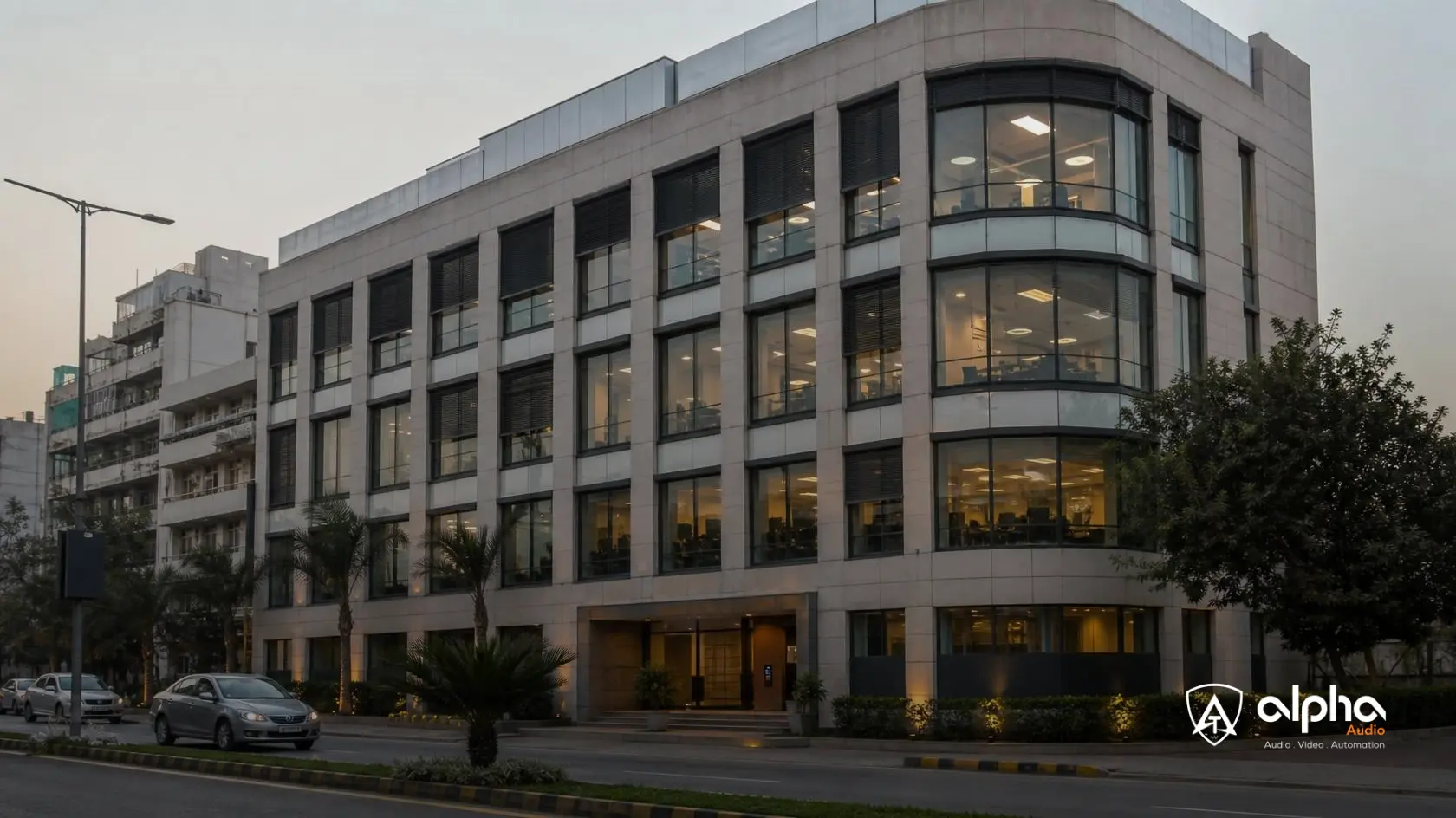
Connecting the dots: automation and real certification points
Developers understandably want a straight answer here: does automation actually move the certification needle, or is it just sustainability language dressed up to sound impressive? The numbers say it’s the real thing.
On the LEED side, building automation and monitoring touch several credit categories at once. A LEED project can chase up to 110 points total, spread across categories like Energy & Atmosphere (35 points) and Indoor Environmental Quality (15 points) — with certification running from Certified (40–49 points) up to Platinum (80+ points). Controls-based strategies alone can influence a good chunk of that, especially through commissioning, metering, and monitoring credits. Enhanced Commissioning, which is directly tied to monitoring-based procedures for checking energy system performance, is worth up to six points on its own.
On the BREEAM side, it’s the same story. Energy efficiency measures can lift a project’s score by up to 16%, with another 5% available through innovation credits linked to energy performance. HVAC systems alone touch roughly 40–50% of all available BREEAM credits, spread across Energy, Health & Wellbeing, and Management categories exactly the areas automation controls.
The pattern is consistent across both frameworks. Certification bodies aren’t rewarding automation because it’s trendy. They’re rewarding what automation makes possible lower measured energy use, verified air quality, real demand flexibility, and ongoing commissioning data. Automation is just the tool that makes those results achievable, and more importantly, provable.
What this actually means if you’re developing in a CBD right now
If you’re deciding where to put sustainability budget on a new tower or upgrading an existing one to stay competitive here’s what actually matters:
- Connect your systems instead of buying them piecemeal. A smart thermostat in one corner and a motion sensor in another won’t score well on their own. Certification bodies reward systems that talk to each other through one building management platform, because that’s what actually produces building-wide, provable performance.
- Put metering in from the start. Adding sub-metering after a building is already occupied is expensive and disruptive. Designing it in from day one saves money later and gets you straight into range for advanced energy credits.
- Think of automation as leasing infrastructure, not just a cost saver. Tenants are asking for energy performance data during lease talks more than ever. A building that can hand over verified, automated reports has a real edge over one that can only offer rough estimates.
- Don’t write off lighting and HVAC scheduling as “minor” upgrades. On their own they look small. Added up, they’re often the difference between scraping a Certified/Pass rating and landing a Gold/Very Good or Platinum/Outstanding one the tiers that actually pull in premium tenants and rents.
The bottom line
Sustainability in commercial real estate isn’t a nice-to-have anymore — it’s a requirement, and nowhere is that clearer than in competitive CBD markets, where green certification now sits right alongside location and floor efficiency as a core leasing factor. Developers don’t need to guess which systems matter most. Lighting automation, HVAC scheduling, and energy monitoring aren’t just compatible with LEED and BREEAM, they’re built into how those systems score and reward performance.
Get this right, and you’re not just earning a plaque for the lobby. You’re building measurable, ongoing proof of efficiency that satisfies certification bodies, reassures tenants, and protects the value of the asset for years to come. In a market where every new CBD tower is chasing the same pool of ESG-conscious tenants, that proof is fast becoming the real competitive edge.
+92 308 4319219 | info@alphaaudio.com.pk | alphaaudio.com.pk
Visit us: Plaza No. 28, Phase 6 DHA, Lahore, Punjab
Audio Quotation
Video Quotation
Automation Quotation