


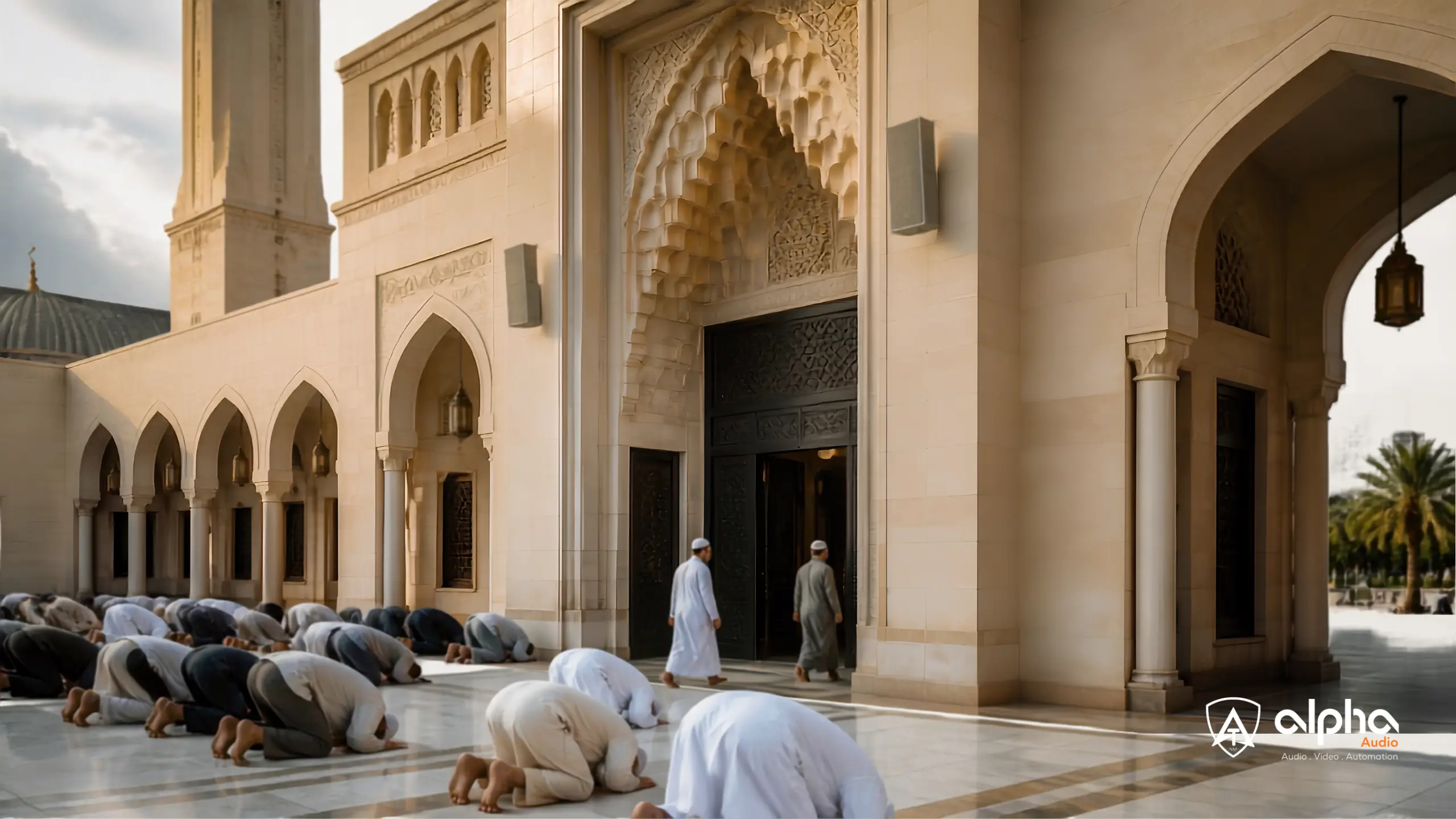
Introduction: The Changing Face of Masjid Sound Systems
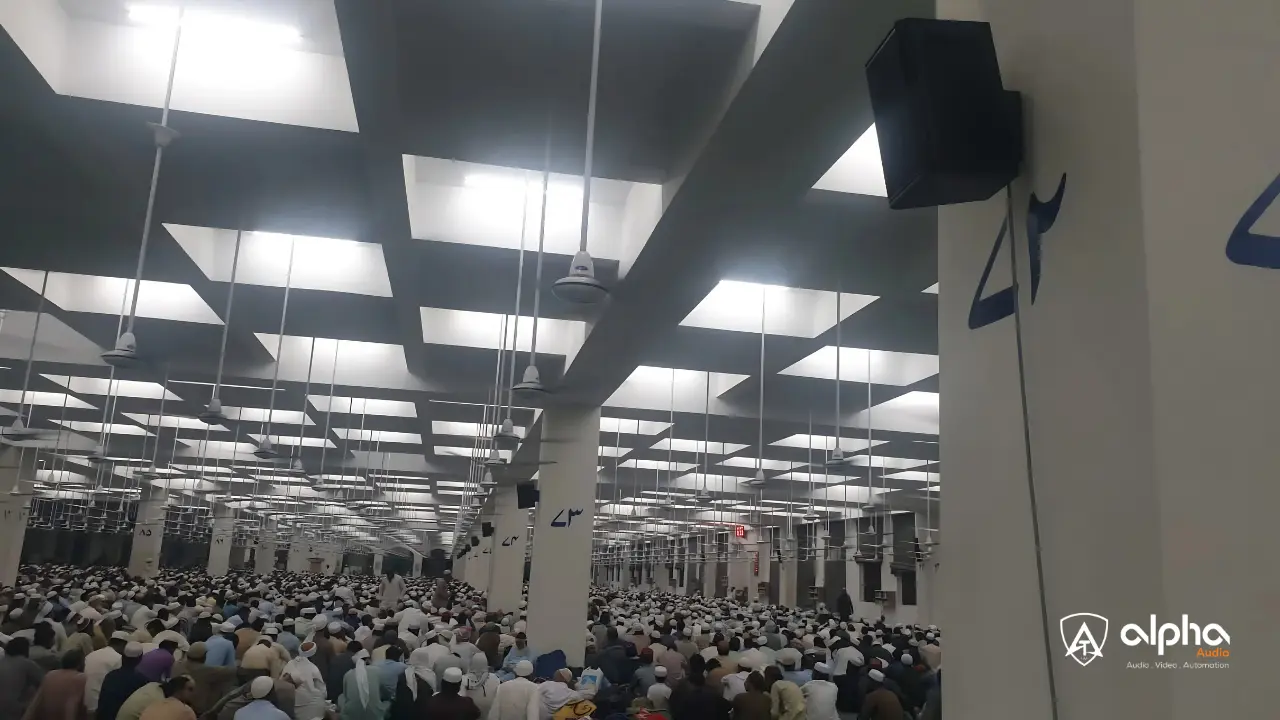
Walk into almost any newly built or newly renovated masjid across Pakistan today, and you’ll notice something different about the way sound travels through the building. The azaan reaches every corner clearly. The khutbah on Friday doesn’t crackle or fade out in the back rows. The women’s section, the basement hall, and the main prayer area all sound consistent, as if they were one connected space rather than separate rooms fighting with separate speakers.
This shift isn’t accidental. Masjid committees, imams, and sound technicians across the country are increasingly moving away from old-style, wired, zone-by-zone audio setups and adopting networked audio systems, with RCF emerging as one of the most trusted names in this space. What used to require a technician physically walking between rooms, adjusting volume knobs on multiple amplifiers, and hoping everything stayed in sync, can now be managed from a single control point, often even from a tablet or phone.
For masjid committees exploring an upgrade, understanding why this shift is happening, and what a networked audio system actually offers over the traditional approach, is the first step toward making a decision that will serve the community for years to come.
The Problem With Traditional Masjid Audio Setups
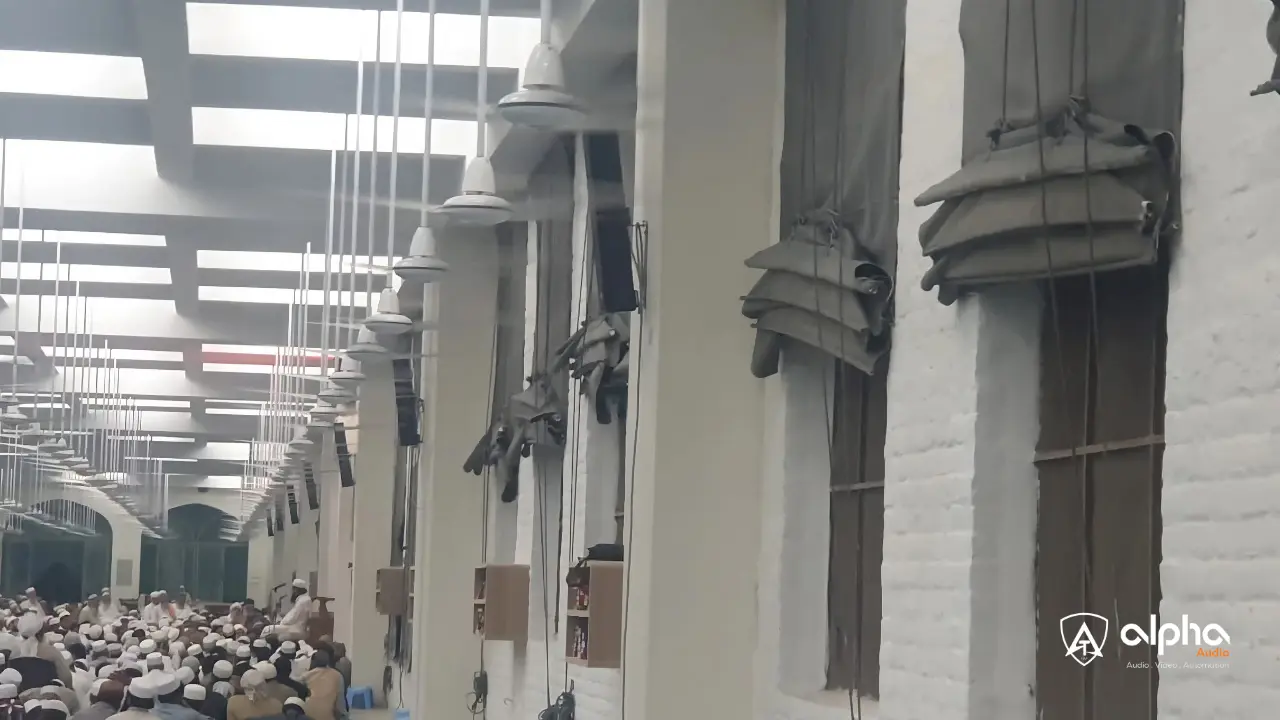
Most masjids in Pakistan, especially those built or expanded over several years, run their sound through a patchwork of separate amplifiers, mixers, and speaker zones added at different times. This is understandable. A masjid often starts with one hall, and speakers are added as extensions, a new floor, a women’s section, or an outdoor courtyard are built. Over time, this creates a system that technically works, but is far from efficient.
Here are the common pain points masjid administrations face with traditional, non-networked audio systems:
- Inconsistent Sound Across Halls Each zone often has its own amplifier and volume settings, adjusted independently and rarely calibrated against each other. This means the main hall might sound loud and clear while the basement or overflow hall sounds muffled or too quiet, especially during Friday prayers or Taraweeh when every section is full.
- Manual Adjustments for Every Event Whether it’s a regular azaan, a Friday khutbah, a Quran khatam, or a special lecture, someone has to physically go and adjust volume levels in each zone separately. If a mic level needs correcting during the khutbah itself, there’s often no way to fix it quickly without walking to the amplifier room.
- Difficult Troubleshooting When one speaker or one zone develops an issue, it’s not always obvious which amplifier or which cable is at fault. Diagnosing problems in a traditional analog setup often means checking each component individually, which is time-consuming and frustrating, especially right before Jummah.
- No Central Point of Control In masjids with multiple halls, courtyards, or annexes, there is usually no single place from which the entire sound system can be seen or managed. Responsibility often falls on whoever is available that day, and consistency suffers as a result.
- Limited Scalability Adding a new hall, expanding the women’s section, or wiring an outdoor area for Eid prayers usually means installing an entirely new, disconnected audio branch, adding to the complexity rather than expanding the existing system in an organized way.
For committees managing masjids that serve hundreds or even thousands of worshippers, these limitations aren’t just technical inconveniences. They affect the worship experience directly, and a garbled or too-quiet khutbah is a real problem, not a minor detail.
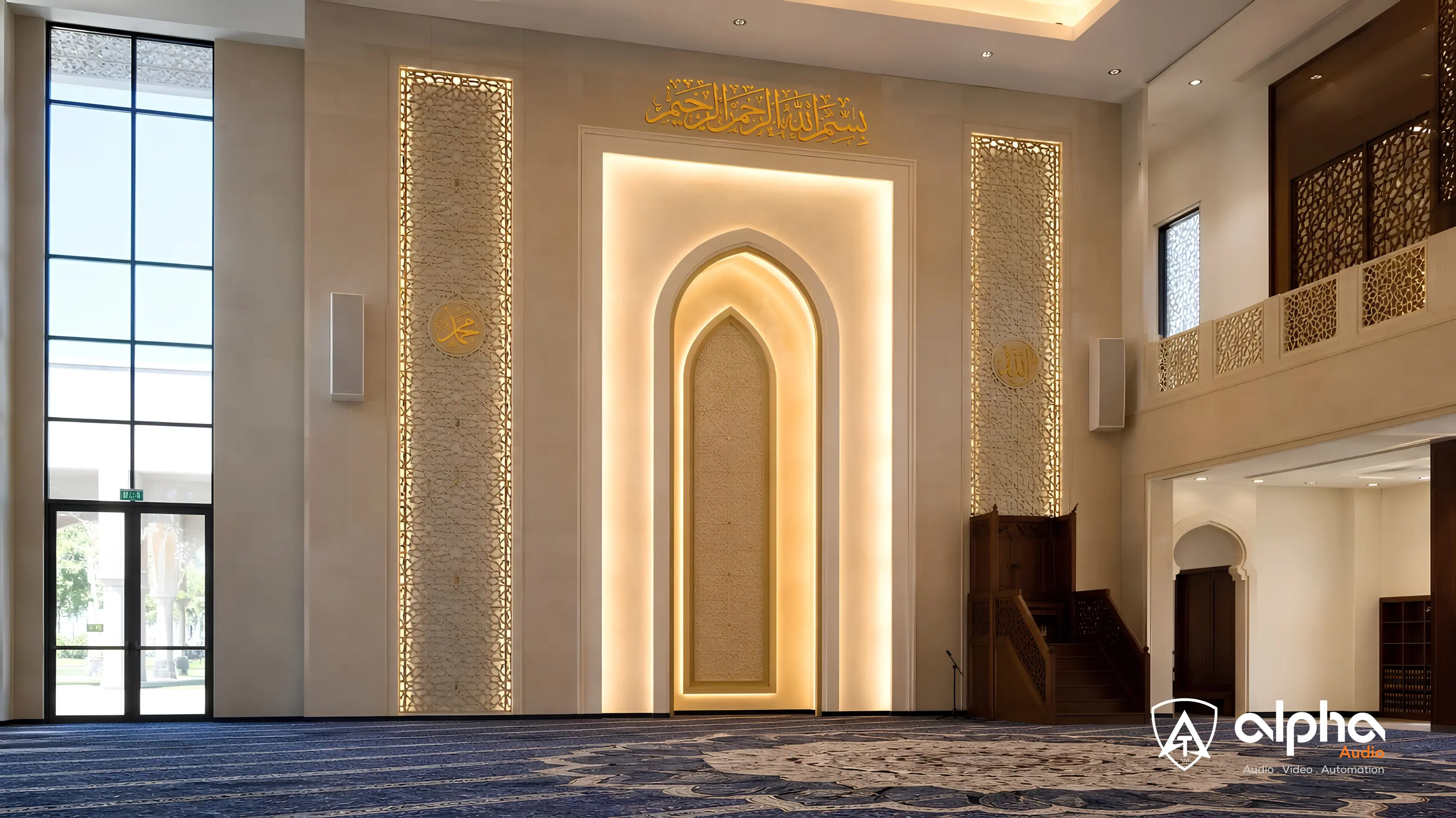
The Solution: How RCF Networked Audio Systems Work
RCF, an Italian audio engineering brand with decades of experience in professional sound for large venues, offers a networked audio ecosystem designed specifically for exactly this kind of multi-zone, multi-hall environment. Instead of every hall or zone operating on its own isolated amplifier, an RCF networked audio system connects every speaker, amplifier, and microphone input across the masjid onto a single digital network, usually running over standard network cabling.
Here’s what that means in practical terms for a masjid:
Centralized Control From One Point
With a networked system, an appointed person, whether that’s the muezzin, a sound technician, or a masjid administrator, can control every zone from a single control point. Instead of running between rooms, they can adjust the volume in the men’s hall, the women’s section, and the outdoor courtyard, all from the same interface, often through dedicated wall-mounted controllers or software running on a computer or tablet.
This is particularly valuable during high-traffic periods like Ramadan, Eid, or Friday prayers, when overflow areas are activated and need to be brought online and balanced quickly, without disrupting the main proceedings.
Zone-by-Zone Adjustment Without Physical Movement
Every hall has different acoustics. A domed main hall behaves very differently from a flat-ceiling basement or an open courtyard. RCF’s networked systems allow each zone to be individually tuned and saved as a preset, so the correct sound profile for azaan, khutbah, or a scholarly lecture can be recalled instantly without manual recalibration each time.
Real-Time Monitoring and Diagnostics
One of the most practical advantages of a networked system is the ability to monitor the health of the entire audio setup in real time. If a speaker in the women’s section stops responding or an amplifier in the basement overheats, the system flags it immediately at the central control point, rather than someone discovering it mid-khutbah when a complaint comes in.
This kind of proactive monitoring dramatically reduces the time between a fault occurring and it being fixed, which matters a great deal in a space where sound quality is tied directly to the worship experience.
Consistent, High-Quality Sound Across the Entire Masjid
Because every zone is calibrated and managed through the same network rather than independently, RCF systems help ensure that whether someone is sitting in the front row of the main hall or in an overflow room three floors up, the azaan and khutbah sound clear, balanced, and appropriately leveled. There’s no jarring difference in volume or clarity as worshippers move between sections.
Simplified Expansion
When a masjid decides to add a new hall, extend the women’s section, or set up temporary speakers for Eid prayers in an adjoining ground, a networked system makes this far more manageable. New zones can be added to the existing network without redesigning the entire audio infrastructure, saving both time and long-term cost.
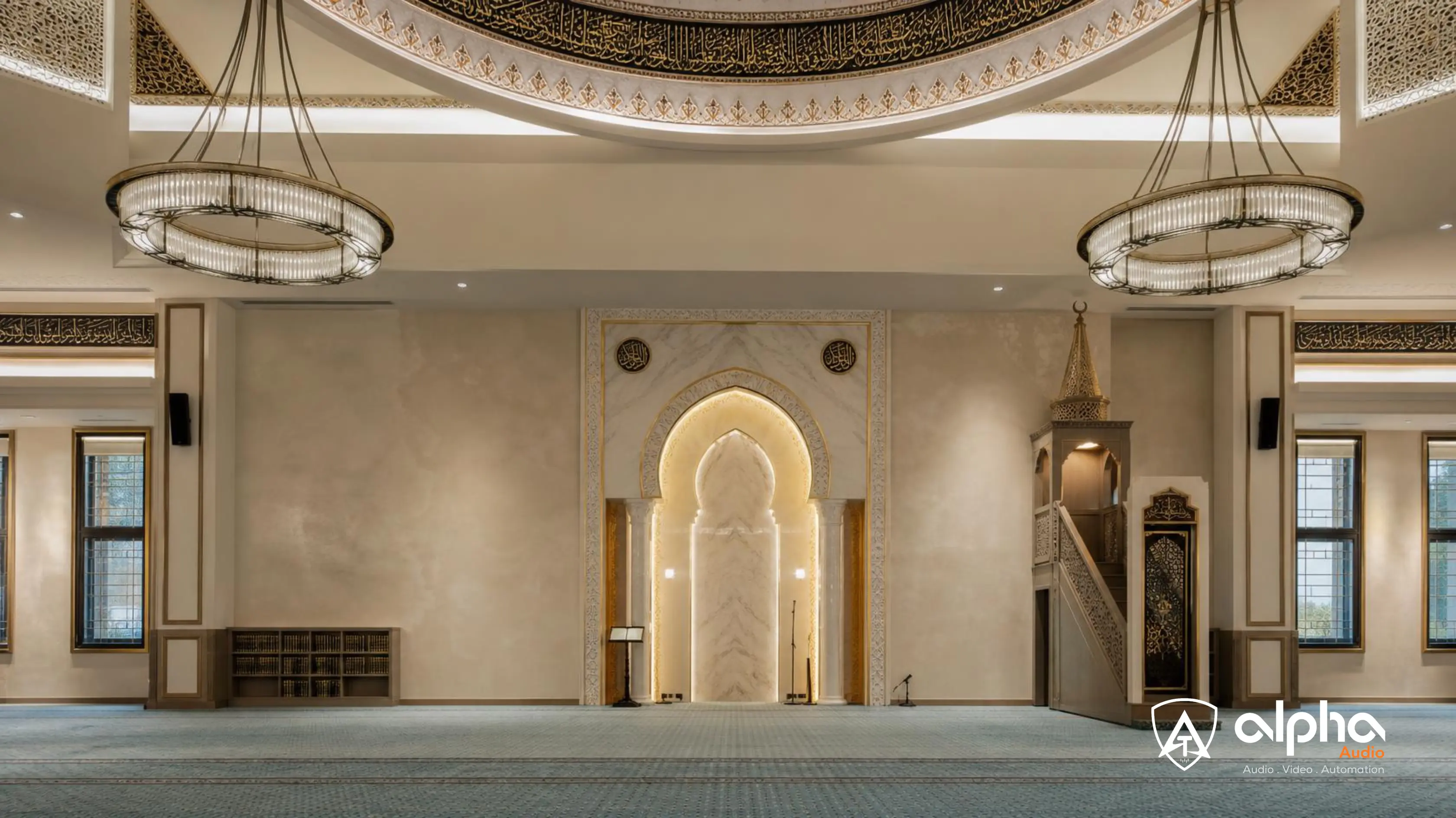
Proof: Less Manual Work, More Long-Term Reliability
The real-world impact of moving to a networked system comes down to two things: reduced day-to-day manual effort, and simplified long-term management.
Reduced Manual Adjustments Once zones are calibrated and presets are saved, day-to-day operation becomes largely automated. The person managing the system doesn’t need to manually readjust volume levels for each prayer time or each hall separately; the correct settings are simply recalled with a single action.
Faster Issue Resolution Because the system reports faults centrally, technicians spend less time hunting for the source of a problem and more time actually fixing it. This translates into less downtime and fewer instances of poor sound quality during actual prayer times.
Lower Long-Term Management Burden Committees no longer need to depend on one specific volunteer who happens to understand the wiring diagram. The interface is designed to be usable by whoever is on duty, which matters greatly in masjids run by rotating volunteer teams.
Better Return on Investment Over Time While a networked RCF system typically involves a more considered upfront investment compared to a basic analog setup, the reduction in ongoing maintenance calls, troubleshooting time, and the ability to expand without overhauling the system leads to lower total cost of ownership over the years.
Key Features to Look for When Choosing an RCF Audio Solution for Your Masjid
If your masjid committee is considering this upgrade, here are a few things worth discussing with your audio consultant:
- Number of zones needed (main hall, women’s section, basement, courtyard, outdoor speakers for Eid)
- Microphone requirements for the imam, khateeb, and any additional speakers
- Acoustic treatment of each hall, since even the best speakers perform poorly in a room with poor acoustics
- Ease of use of the central control interface for non-technical staff
- Scalability for future expansion of the masjid
- Local support and warranty availability in Pakistan for maintenance and troubleshooting
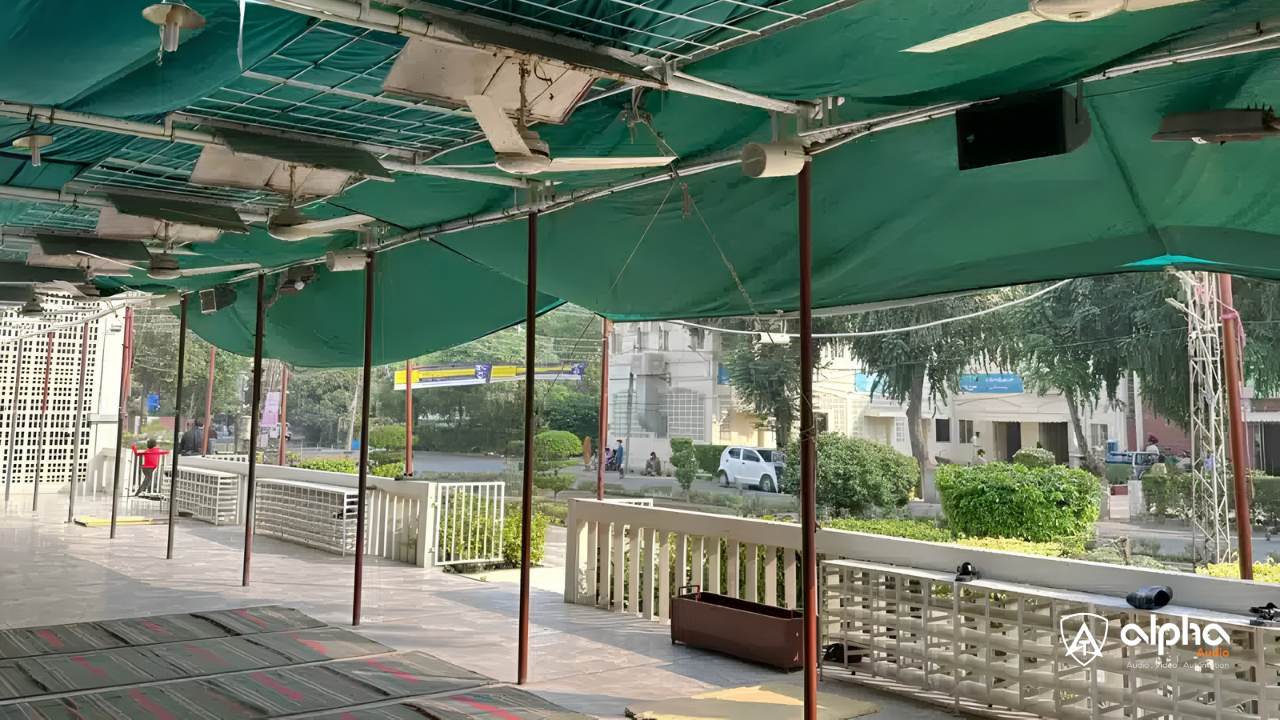
Conclusion: A Sound Investment for the Community
A masjid’s sound system is not a minor technical detail, it directly shapes how the entire congregation experiences prayer, khutbah, and religious gatherings. Moving from a traditional, fragmented audio setup to a centrally managed, networked RCF audio system addresses the core problems masjid committees have dealt with for years: inconsistent sound, difficult troubleshooting, and reliance on manual, zone-by-zone adjustments.
For masjids in Pakistan looking to modernize their audio infrastructure, whether newly constructed or undergoing renovation, a networked solution offers a practical path toward clearer sound, simpler management, and a system that can grow alongside the community it serves.
Looking to upgrade your masjid’s audio system? If your masjid is dealing with inconsistent sound, difficult-to-manage zones, or is planning an expansion, it may be time to consider a networked audio solution. Reach out for a free consultation to assess your masjid’s specific halls, acoustic needs, and budget, and get a tailored recommendation for an RCF networked audio system built for reliable, long-term performance.
+92 308 4319219 | info@alphaaudio.com.pk | alphaaudio.com.pk
Visit us: Plaza No. 28, Phase 6 DHA, Lahore, Punjab
Serving masjids across Lahore, Karachi, Islamabad, and other cities in Pakistan with professional audio system design, installation, and support.Project content Alpha Audio Created by you Add PDFs, documents, or other text to reference in this project.
Audio Quotation
Video Quotation
Automation Quotation