


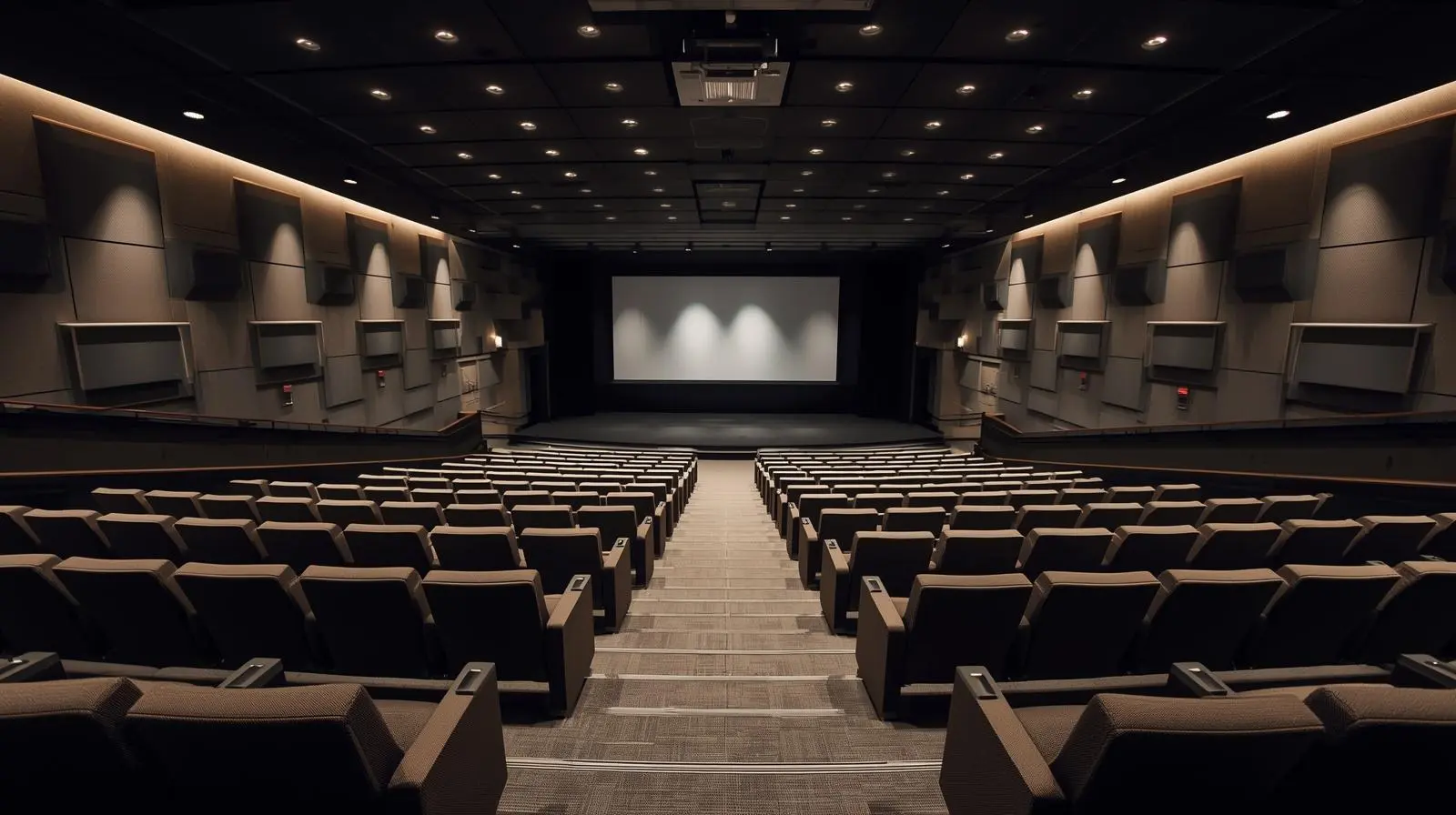
In 2026, offices will no longer sound like offices.
They will sound like cinemas, broadcast studios, and global conference halls—spaces where every word carries weight, emotion, and authority. This transformation didn’t begin overnight. It started quietly, in places where sound could never afford to fail.
One such moment unfolded in Islamabad, inside the newly upgraded PTV headquarters.
A Morning That Redefined Professional Sound
The auditorium was filled with diplomats, media professionals, and foreign delegates. Cameras were rolling. The Federal Information Minister stepped forward to address an international audience during a high-profile conference linked to PTV’s digital expansion. The stakes were high—Pakistan’s narrative, credibility, and professionalism were on display.
When the minister spoke, his voice didn’t echo. It didn’t distort. It didn’t strain.
Instead, it filled the room with clarity, reaching the back row as effortlessly as the front. Every accent from foreign delegates was understood. Every response sounded natural. There were no interruptions asking speakers to repeat themselves.
What made the difference?
Not just the speakers on stage—but the cinema-grade audio system working silently behind the scenes.
That same philosophy is now shaping the future of offices in 2026.
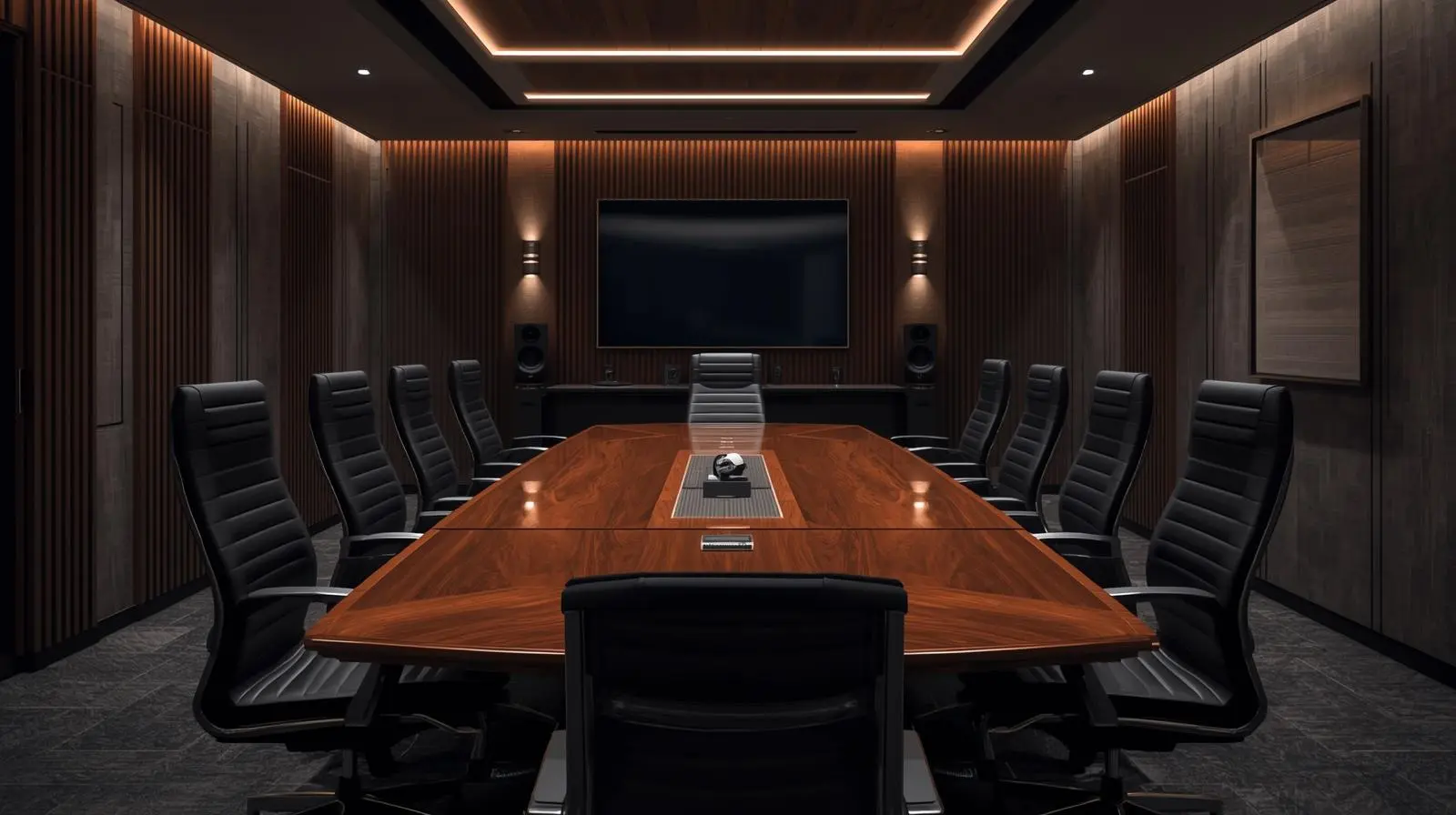
Why Audio Is Becoming the Most Critical Office Technology
For years, offices invested heavily in screens, projectors, and video conferencing tools. Audio was often treated as an afterthought—basic ceiling speakers, low-quality microphones, and systems that merely “worked.”
But organizations learned an expensive lesson:
If people cannot clearly hear the message, the message is lost.
In 2026, forward-thinking companies are shifting toward cinema-grade professional audio, the same standard used in theaters, broadcast studios, and government conference halls.
Because sound is no longer support—it is strategy.
Cinema-Grade Audio: What Does It Really Mean for Offices?
Cinema-grade audio is not about loudness. It is about precision, balance, and intelligibility.
In practical office environments, this means:
- Voices remain clear even in large boardrooms
- No echo or feedback during presentations
- Equal sound coverage across the room
- Natural voice reproduction for long sessions
- Fatigue-free listening for training programs
Just like the PTV Islamabad conference, where international communication demanded perfection, modern offices require broadcast-level clarity to function effectively.
Training Rooms in 2026: Learning That Feels Immersive
Imagine a corporate training session in 2026.
The trainer speaks at a normal conversational tone. Employees seated at the back hear every word clearly. Video content plays with cinematic depth. There’s no distraction, no guessing, no disengagement.
This is where cinema-grade audio changes outcomes:
- Higher knowledge retention
- More engaged employees
- Shorter training cycles
- Better understanding across departments
Organizations investing in professional audio systems report improved focus and measurable productivity gains—because learning begins with listening.
Presentations That Command Authority
In boardrooms, clarity equals confidence.
Whether it’s a quarterly review, a client pitch, or a strategic announcement, audio quality directly affects how leadership is perceived. Poor sound weakens authority. Clear sound reinforces trust.
The PTV Islamabad conference demonstrated this principle perfectly. Government officials addressing foreign delegates needed their voices to reflect professionalism and control. The cinema-grade system ensured every message carried the same authority as its intent.
In 2026, offices are adopting the same approach:
- Executive boardrooms with theater-level acoustics
- Presentation halls with evenly distributed sound
- CEO addresses that feel powerful, not strained
Hybrid Meetings Without Communication Gaps
Remote work and international collaboration are now permanent realities. But poor audio remains the biggest barrier in hybrid meetings.
Cinema-grade audio systems eliminate this problem by:
- Capturing voices accurately through advanced microphones
- Reducing background noise and echo
- Ensuring remote participants hear natural, human sound
- Making conversations feel face-to-face
Just as international delegates at PTV Islamabad experienced seamless communication, offices in 2026 are creating borderless meeting environments through superior sound design.
Why Alpha Audio Designs for the Future, Not Just Today
At Alpha Audio, we’ve spent decades delivering professional audio solutions for environments where sound cannot fail—broadcast facilities, auditoriums, high-profile venues, and mission-critical spaces.
Our philosophy is simple:
If audio works in a national broadcast or government conference, it will transform an office.
We design office audio systems that combine:
- Cinema-grade speakers
- Professional amplifiers
- Intelligent sound zoning
- Acoustic optimization
- Seamless integration with AV & automation systems
From executive boardrooms to training halls, Alpha Audio ensures every voice is heard with purpose.
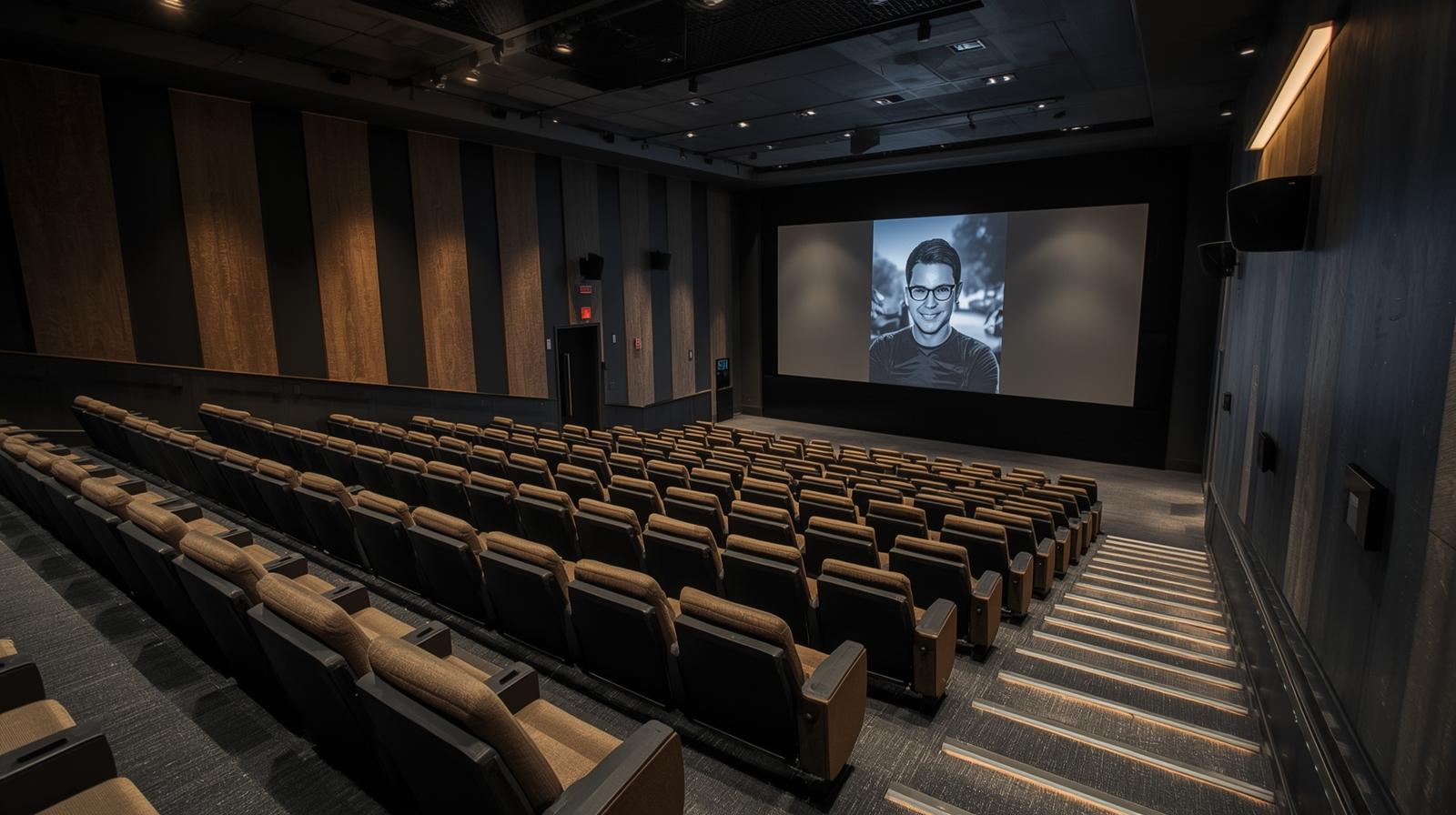
The Office of 2026 Will Be Heard Before It Is Seen
The future workplace will still have smart screens, AI tools, and automation—but what will truly define it is how it sounds.
Clear sound builds confidence
Immersive audio drives engagement
Professional audio reflects credibility
Just as the PTV Islamabad conference projected Pakistan’s voice clearly to the world, modern offices must project their ideas with the same precision and impact.
Final Thoughts: Sound Is the New Standard
In 2026, companies that invest in cinema-grade audio won’t just communicate better—they will lead better.
They will train smarter.
Present stronger.
Collaborate globally.
And they will never underestimate the power of sound again.
Alpha Audio is proud to shape this future—one perfectly heard word at a time.