


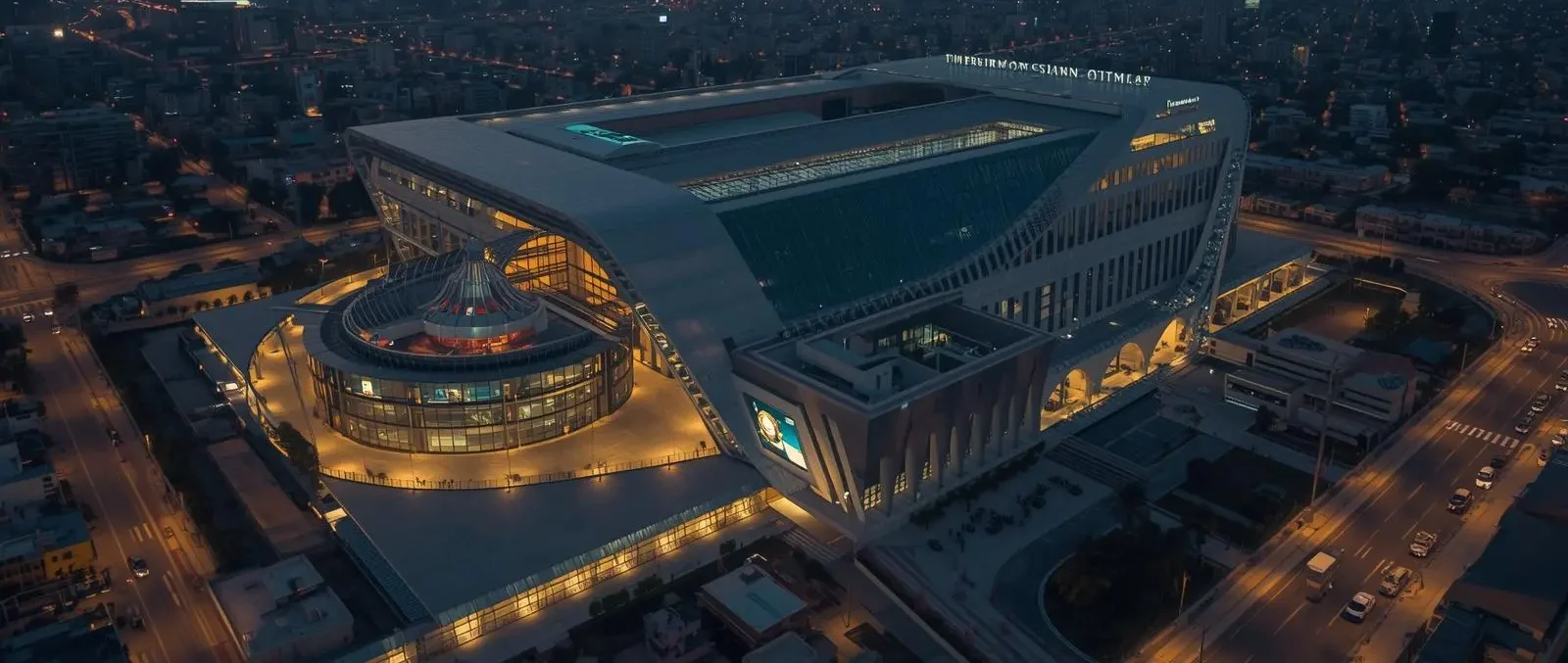
(A Strategic Insight for Builders, Developers & Corporate Owners in Pakistan)
In Pakistan’s rapidly evolving construction landscape, the demand for energy-efficient, sustainable, and future-ready buildings has never been higher. Whether in Lahore, Karachi, Islamabad, Faisalabad, Sialkot, or Multan, builders and corporate decision-makers are facing increasing pressure to reduce operational costs, meet environmental standards, and deliver an enhanced user experience.
This is where building automation systems (BAS) have emerged as a game-changing solution, one that significantly improves energy efficiency while delivering a strong, measurable return on investment (ROI).
As electricity prices soar and businesses look for smarter ways to manage consumption, adopting modern building automation technologies like KNX is no longer optional; it is a strategic necessity.
What Is Building Automation & Why Is It the Future of Construction?
Building automation refers to the integrated control of a building’s key systems such as:
- Lighting and dimming
- HVAC (Heating, Ventilation, and Air Conditioning)
- Energy monitoring
- Security and access control
- Occupancy sensing
- Climate and shading control
- Smart AV and multipurpose hall systems
- Environmental comfort systems
In simple words, building automation gives your property a smart brain, allowing it to operate intelligently without manual intervention. The system constantly monitors the building’s energy usage and optimizes performance in real time resulting in lower energy bills, improved comfort, and a more sustainable building.
How Building Automation Drives Energy Efficiency

1. Intelligent Lighting That Cuts Energy Waste
Lighting is one of the highest energy-consuming components in commercial spaces. Automated lighting systems help to:
- Turn lights ON/OFF automatically based on occupancy
- Adjust brightness using daylight sensors
- Create zoning to avoid lighting empty spaces
- Reduce operational hours of fixtures
Builders using KNX lighting control have reported up to 45% reduction in electricity bills, making it one of the most impactful energy-saving solutions in Pakistan’s commercial sector.
2. Smart HVAC for Maximum Comfort With Minimum Energy Use
In Pakistan’s climate, where summers are intense HVAC makes up nearly 60% of total energy consumption in many buildings. Building automation ensures:
- HVAC operates based on occupancy patterns
- No overheating or overcooling
- Automated scheduling during peak hours
- Zone-based temperature management
- Reduced load on compressors and chillers
These improvements can reduce HVAC-related energy use by 30% to 60%, a massive saving for large buildings, malls, offices, hospitals, and corporate spaces.
3. Real-Time Energy Monitoring = Smarter Decisions
A major challenge for building owners is not knowing where energy is wasted. A building automation system provides:
- Live energy usage data
- Room-wise consumption reports
- Alerts for abnormal energy spikes
- Predictive maintenance notifications
- Historical trends to plan future upgrades
This transparency empowers facility managers and owners to take corrective action instantly, preventing expensive energy losses.
4. Seamless Integration with Solar Systems
As solar adoption increases in Pakistan, building automation helps maximize solar output. The system:
- Automatically shifts loads to solar power
- Reduces dependency on grid electricity
- Ensures stored battery energy is used intelligently
- Balances solar + grid consumption for best efficiency
This integration can double the energy efficiency of a property, making buildings both cost-effective and environmentally responsible.
How Building Automation Boosts ROI for Builders and Developers
1. Reduced Operational Costs
Because automated systems eliminate manual control and human error, buildings require:
- Less monitoring staff
- Lower maintenance
- Fewer repairs
- Reduced energy waste
- Extended lifespan of electrical and mechanical equipment
These savings help commercial projects achieve ROI within 18 to 30 months, depending on building size.
2. Higher Property Value & Faster Sales
In Pakistan’s competitive real estate market, buyers and tenants now prefer smart, automated buildings that promise:
- Reduced energy bills
- Better comfort
- Enhanced safety
- Long-term sustainability
- Modern features and aesthetics
Builders who include KNX automation in their projects are able to demand premium pricing, attract top-tier tenants, and close deals faster.
3. Future-Proof Infrastructure
Pakistan’s construction sector is shifting toward:
- Smart cities
- Green building certifications
- Sustainable business practices
- Energy efficiency regulations
Buildings equipped with automation systems naturally align with these trends, ensuring long-term market relevance. This makes automation a future-proof investment.
4. Improved User Experience & Tenant Satisfaction
A smart building is more comfortable, safer, and easier to manage. Automation enhances:
- Indoor climate
- Lighting mood
- Accessibility
- Security
- Convenience
This leads to increased tenant retention in commercial buildings and stronger brand reputation for developers.
Why KNX Is the Gold Standard for Automation in Pakistan
KNX is the world’s leading and most reliable automation protocol. In Pakistan, companies like Alpha Audio use KNX for:
- Smart offices
- Luxury homes
- Malls & commercial buildings
- Auditoriums
- Corporate towers
- Hospitality & hotels
- Educational campuses
KNX is preferred because it is:
- Scalable
- Long-lasting
- Highly secure
- Compatible with thousands of devices
- Ideal for both new constructions and retrofits
Builders choose KNX because it provides unmatched return on investment and future readiness.